Start with the job, not the shirt
Before you choose fabric or colour, decide what each group needs to do. Crew shirts must be easy to spot, hard-wearing and comfortable for long hours on site. Participant shirts need to suit movement, heat and layering. Merchandise garments should be simple enough for resale, with sizes and colours that suit your audience.
In the Free State, event conditions can change fast. A morning run in Bloemfontein can be cool, then turn hot by midday. A field day in Thaba Nchu or Botshabelo may also mean dust, sun and a lot of walking. If your event is in a hall or at a school in Hamilton, the needs are different again. Match the garment to the setting so people stay comfortable and your branding stays visible.
- Crew: choose strong colours, clear print placement and easy size sorting.
- Participants: choose breathable fabrics and labels that are simple to wear.
- Merchandise: choose styles people will wear again after the event.
- Children's events: allow for a wider size range and shorter lead times for extras.
Choose fabrics that suit the weather and the workload
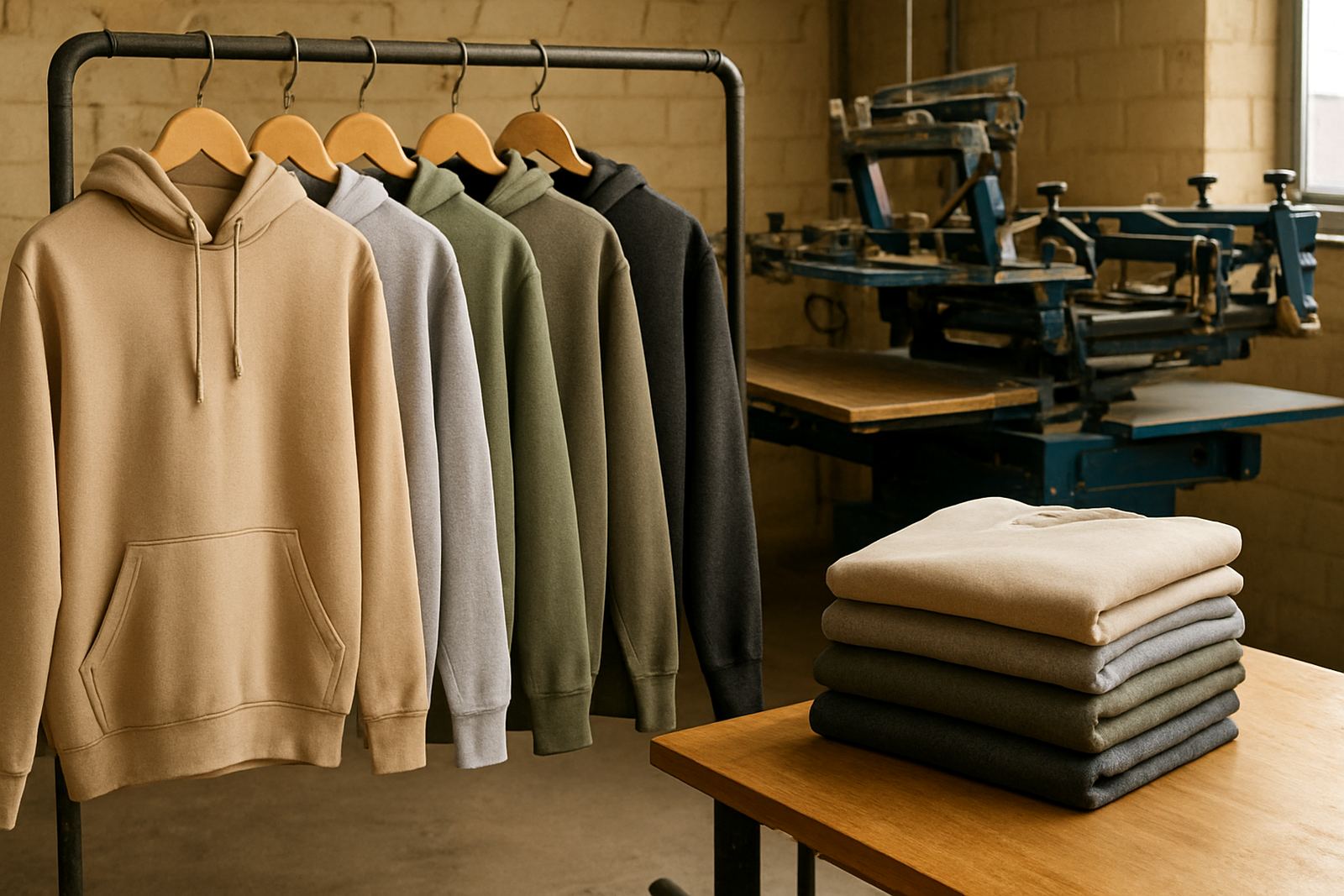
Fabric choice matters as much as the artwork. Cotton blends are popular for general wear because they feel soft and print well. Polyester and performance fabrics work well for sport, outdoor activation days and anything that involves sweat or repeated movement. Heavier shirts suit crew and marshals who need a firmer feel, while lighter garments are better for warm weather and fast movement.
Think about washing too. Uniforms used for school events or community programmes in Welkom, Kroonstad and Parys may be washed often, so colourfast fabric helps the garment keep its look for longer. If your event takes place near the coast and the order is going on courier, moisture and storage matter as well. Garments should be packed clean and dry to avoid odours or damp marks.
- Use breathable fabric for participant shirts and sportswear.
- Use stronger fabric for marshals, setup crews and security teams.
- Check shrinkage if the shirts will be washed weekly.
- Choose colours that still read well in bright sun and under hall lighting.
Plan print areas before you approve artwork
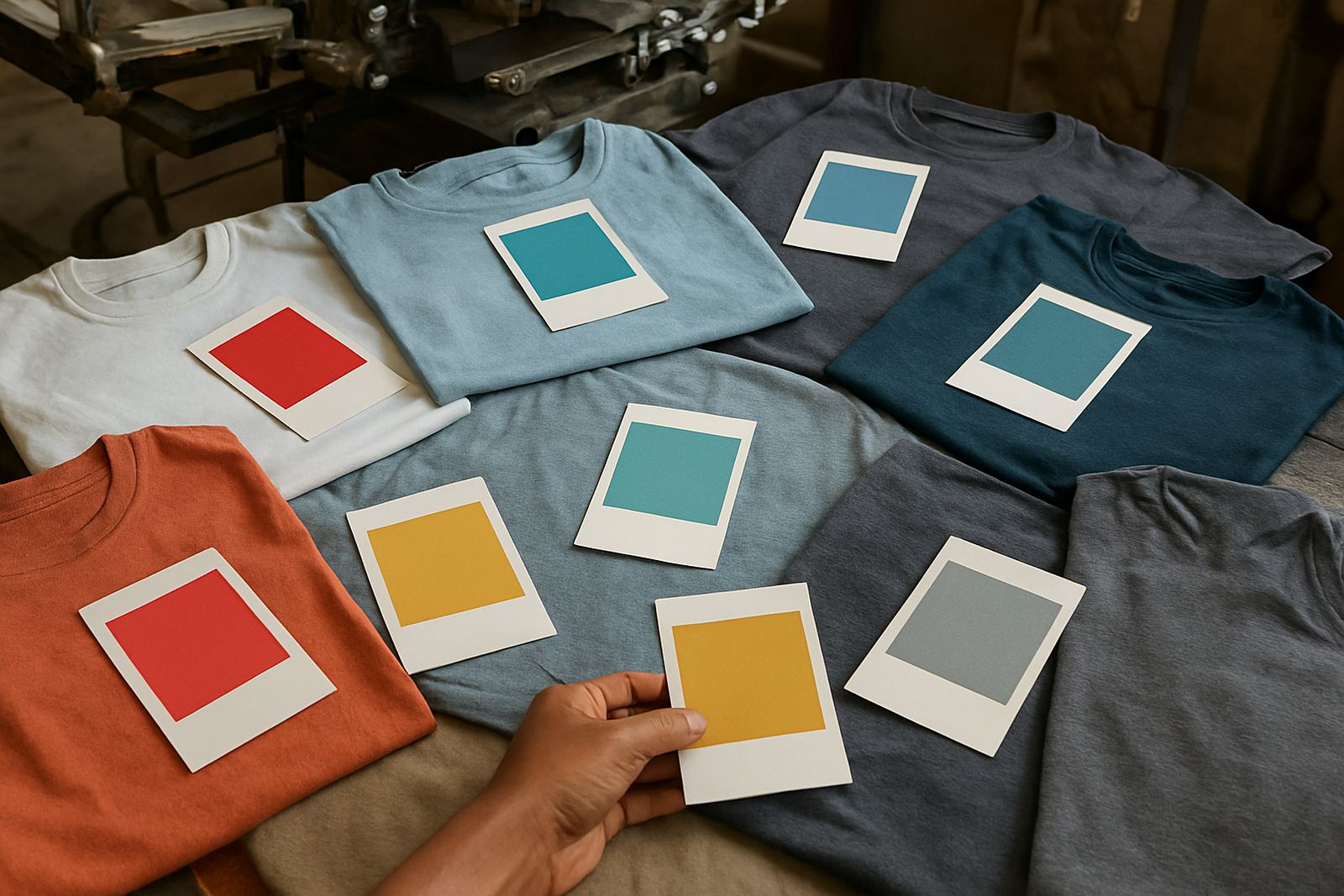
Good event garments need print that is easy to read from a distance and not crowded by seams, zips or pockets. On most shirts, the chest, back and sleeve are the main places to work with. If the garment has a zip or a textured panel, the artwork may need to be adjusted. That is why artwork setup and colour matching are part of the process, not an afterthought.
For a clean result, keep logos simple where possible and decide early whether you want one colour print or a full colour finish. Bold wording helps for one-day events, especially when staff need to be identified quickly. If the order includes different roles, such as organisers, runners and volunteers, use clear wording on the front or back so everyone is easier to manage. One small artwork change at approval stage can save a full reprint later.
- Confirm logo position on each garment size.
- Check that small text remains readable after printing.
- Use fewer colours if speed and budget matter most.
- Ask for a sample layout when role names or sponsor blocks differ.
Use size sorting and bagging to cut event-day confusion
Event clothing gets messy when sizes are guessed. A size medium in one style can feel different in another, and that causes problems when you are dressing teams quickly. For schools, sports days and conferences, size lists should be collected early and checked twice. If the order is for crew or participants across several towns, clear packing makes the handover much easier.
Individual bagging helps when shirts are being issued at registration points or sent to multiple branches in Bloemfontein, Bethlehem, Botshabelo or Bloemfontein rural areas. Each pack should be labelled by size and role. If you are distributing in stages, keep a reserve box for late changes and extras. This is especially useful when weather or attendance shifts at the last minute, which happens often enough here.
- Collect names and sizes on a single list before production starts.
- Allow for a few spares in common sizes.
- Separate crew, participant and merchandise stock clearly.
- Keep replacement labels with the packed order.
Allow for lead time, couriering and backup stock
Planning ahead is the safest way to avoid stress, especially when your order needs courier delivery across the Free State or nationwide. Artwork checks, size approvals and print production all take time. If you are ordering for a launch, sports day or year-end function, work backwards from the event date and leave room for approvals. Transport delays, load-shedding and public holidays can all affect the schedule.
For small run printing, it may be tempting to leave everything to the last minute, but a tight order still needs a realistic turnaround. Bulk order printing can be more efficient, yet it also needs accurate counts from the start. If you expect late additions, ask for a little extra stock in the most common sizes. That way the event team is not left short on the day.
- Confirm final artwork before production starts.
- Check delivery dates for Bloemfontein, Welkom, Kroonstad and beyond.
- Keep one backup box for replacements or late arrivals.
- Build in extra time if the event depends on multiple approvals.
What to include in your event apparel checklist
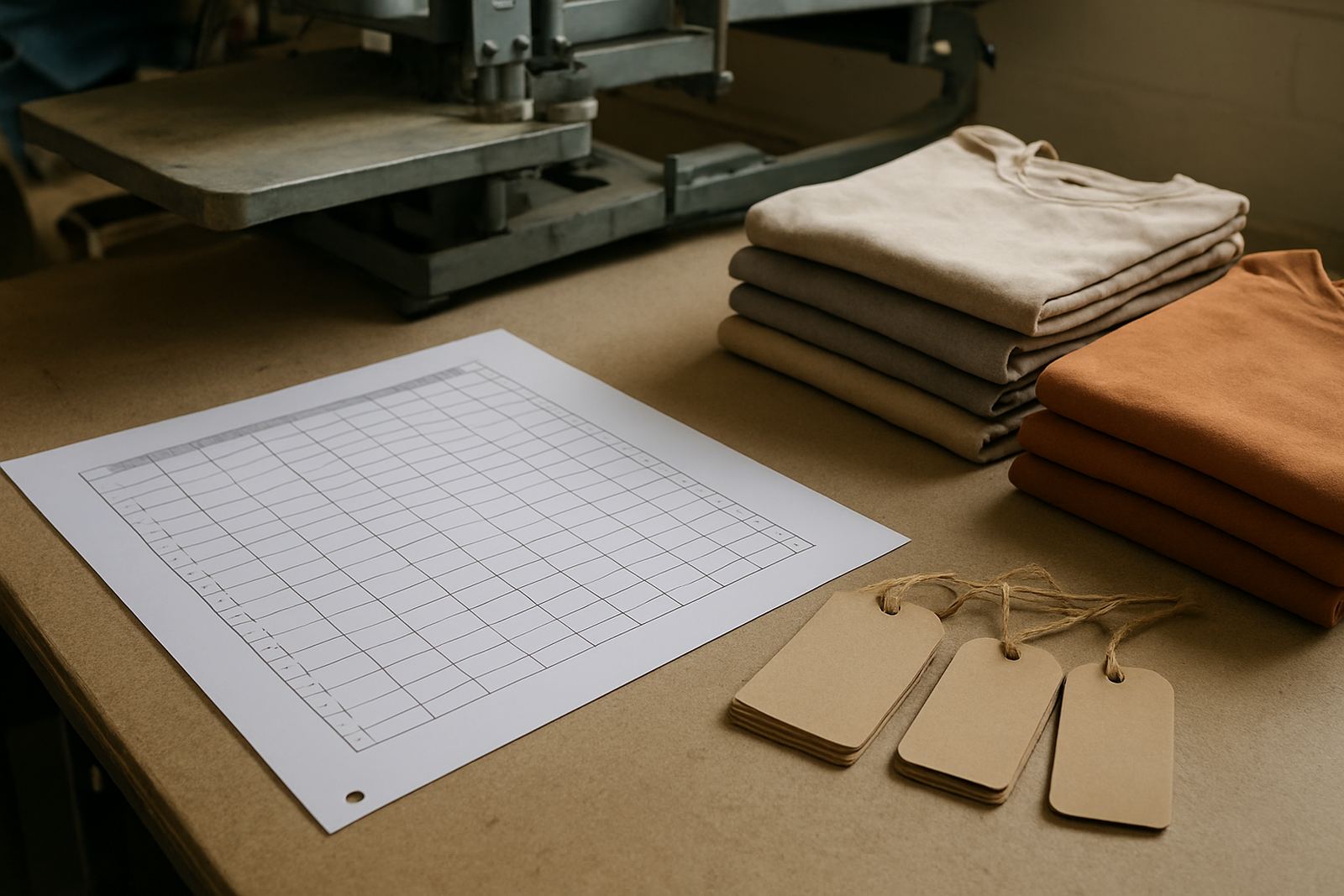
A simple checklist keeps the order clear and reduces mistakes. It should cover garment type, sizes, print positions, delivery details and who is signing off the final version. If the order is for a school, team or company event, one contact person should gather the information and approve the sample details. That keeps the process tidy and avoids mixed messages.
Before you submit an enquiry, make sure you know the total quantity, whether the garments are for crew or participants, and whether you need same design across all sizes. Also check if any items need special handling, such as individual bagging or colour matching to existing uniforms. A clean checklist saves time, and it helps everyone know what is coming on delivery day.
- Event date and delivery town
- Garment type and colour
- Size breakdown by quantity
- Artwork files or logo reference
- Print placement and wording
- Need for bagging or role labels