

How to Choose the Right Garment for Your Order
Start with where the garments will be worn. A school order in Bloemfontein needs a different finish to an outdoor sports day in Thaba Nchu or a staff uniform for a busy shop floor in Kroonstad. The right choice depends on comfort, durability, how often the item will be washed and how much colour needs to show through the print.
As a rule, lighter garments suit bright print colours and summer events, while heavier fabrics hold their shape better for workwear and repeated use. If you are unsure, use the order size, the budget per item and the event date as your starting points. That helps narrow down the best fabric and print setup fast.
T-Shirts, Golf Shirts and Everyday Uniforms
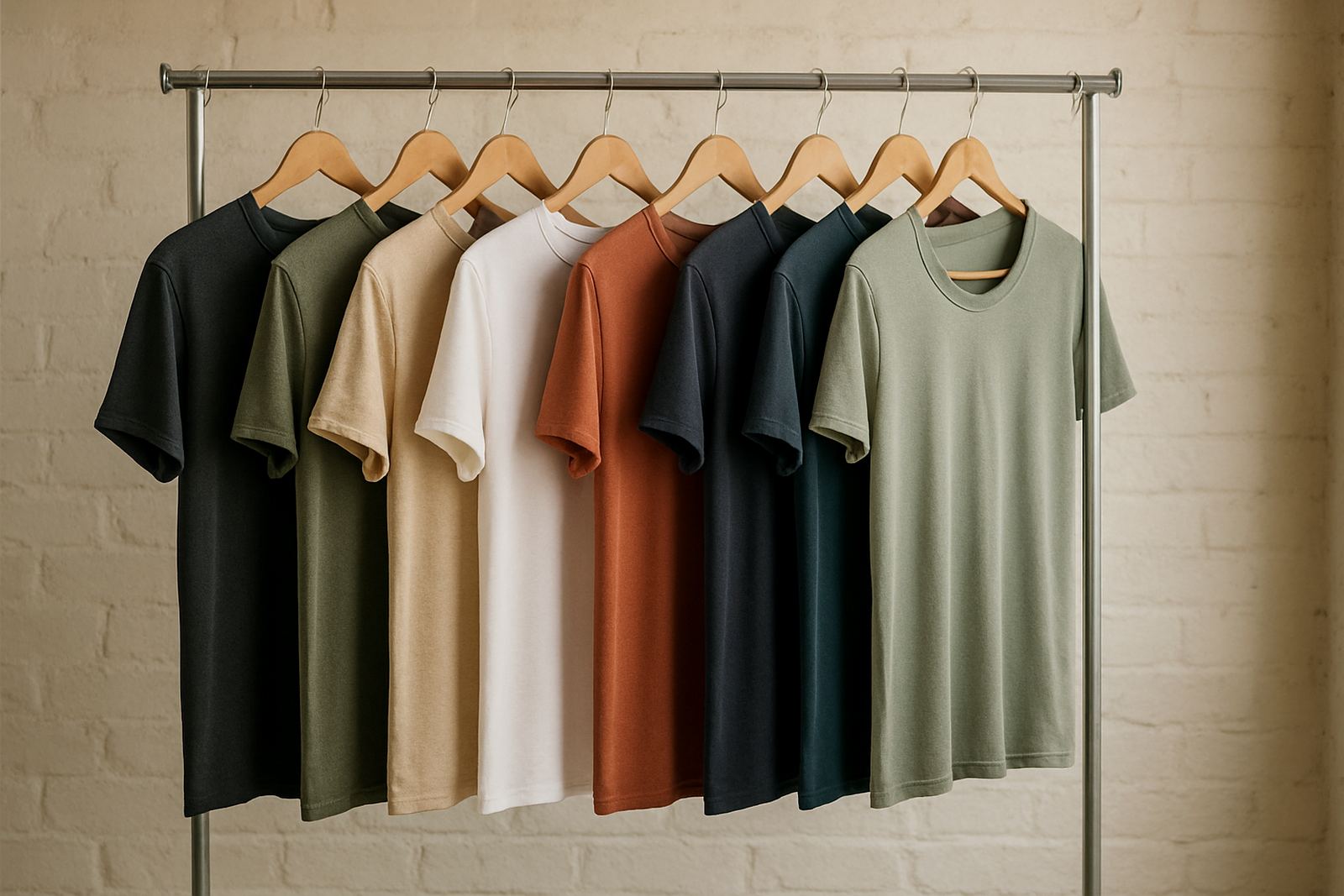
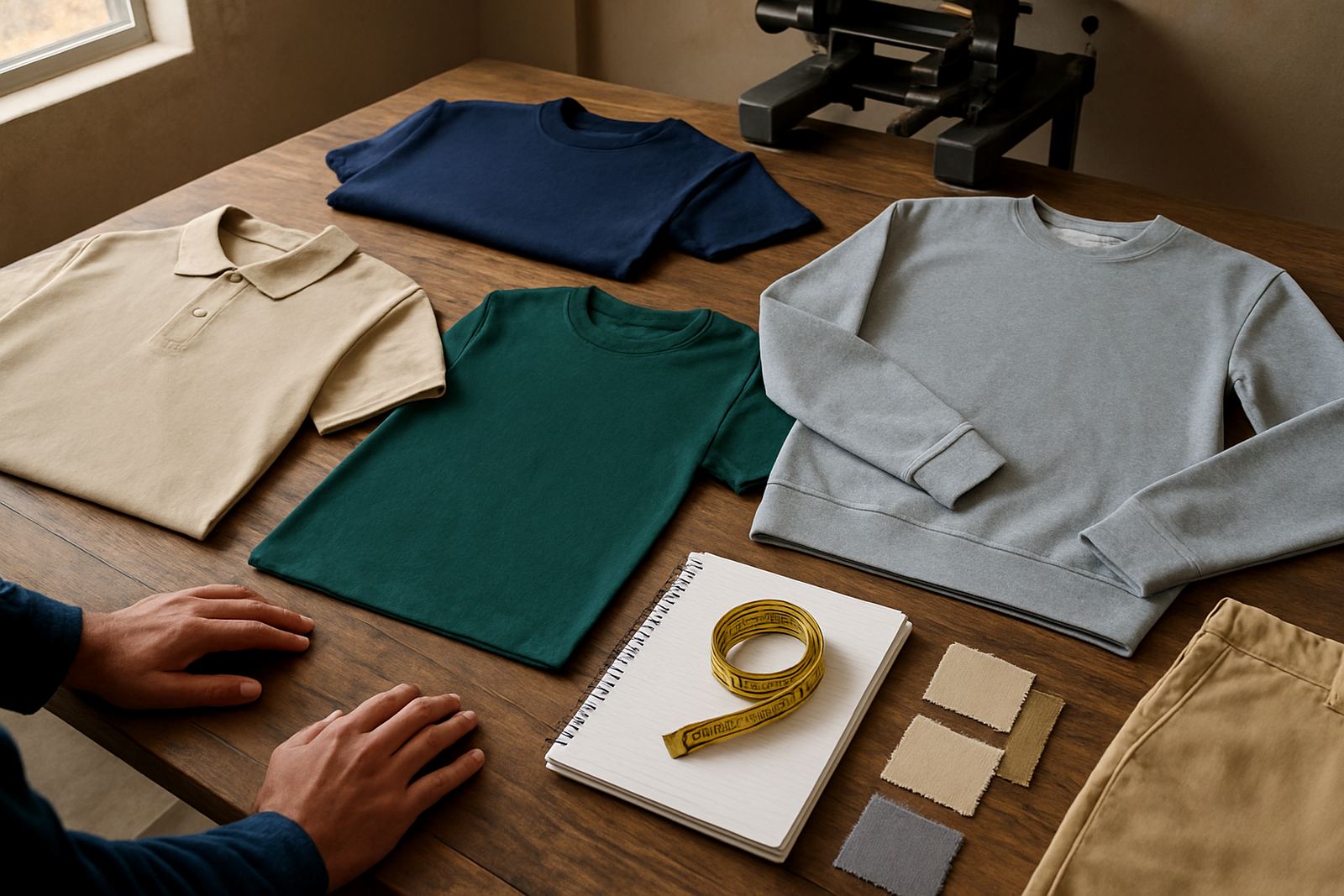
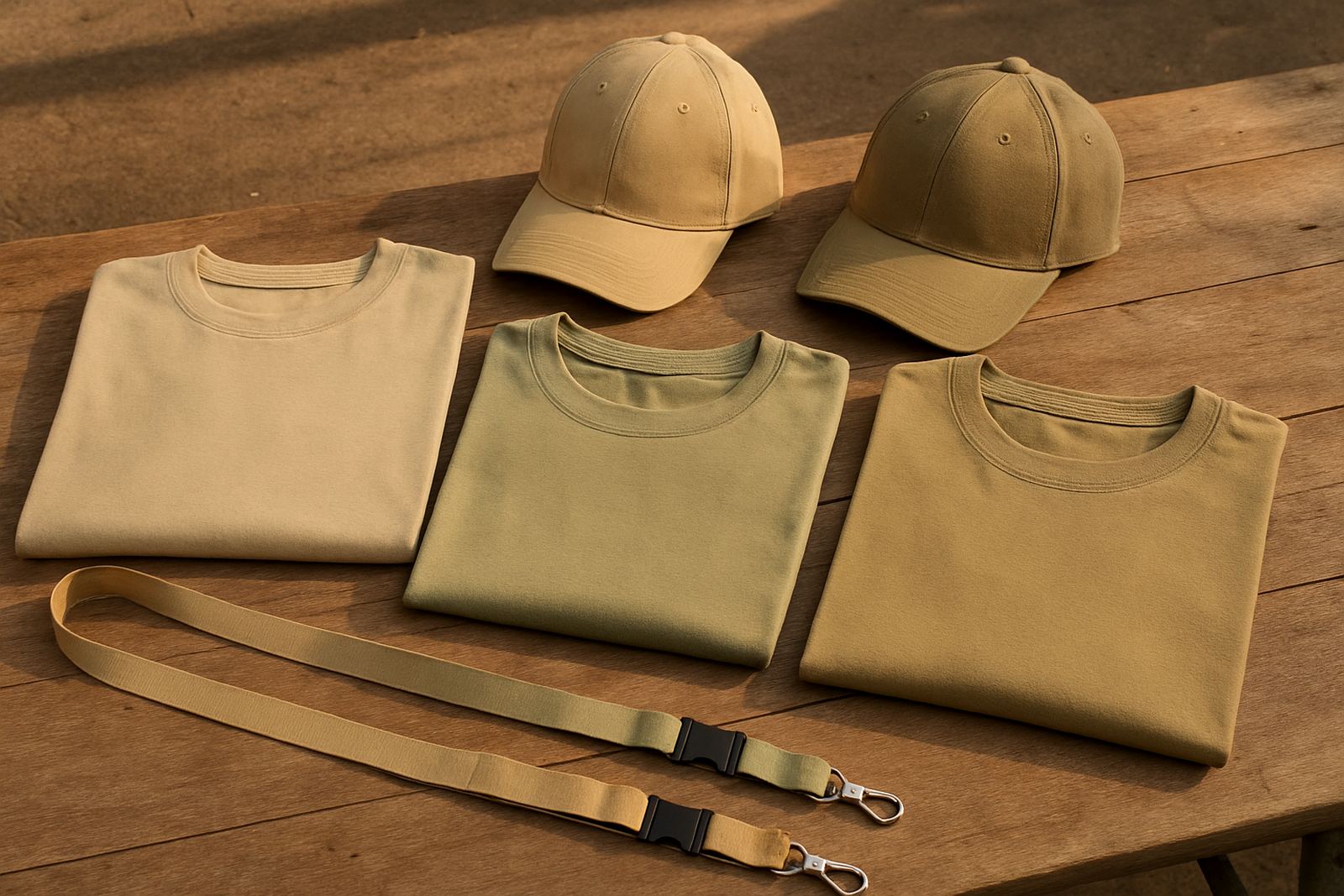
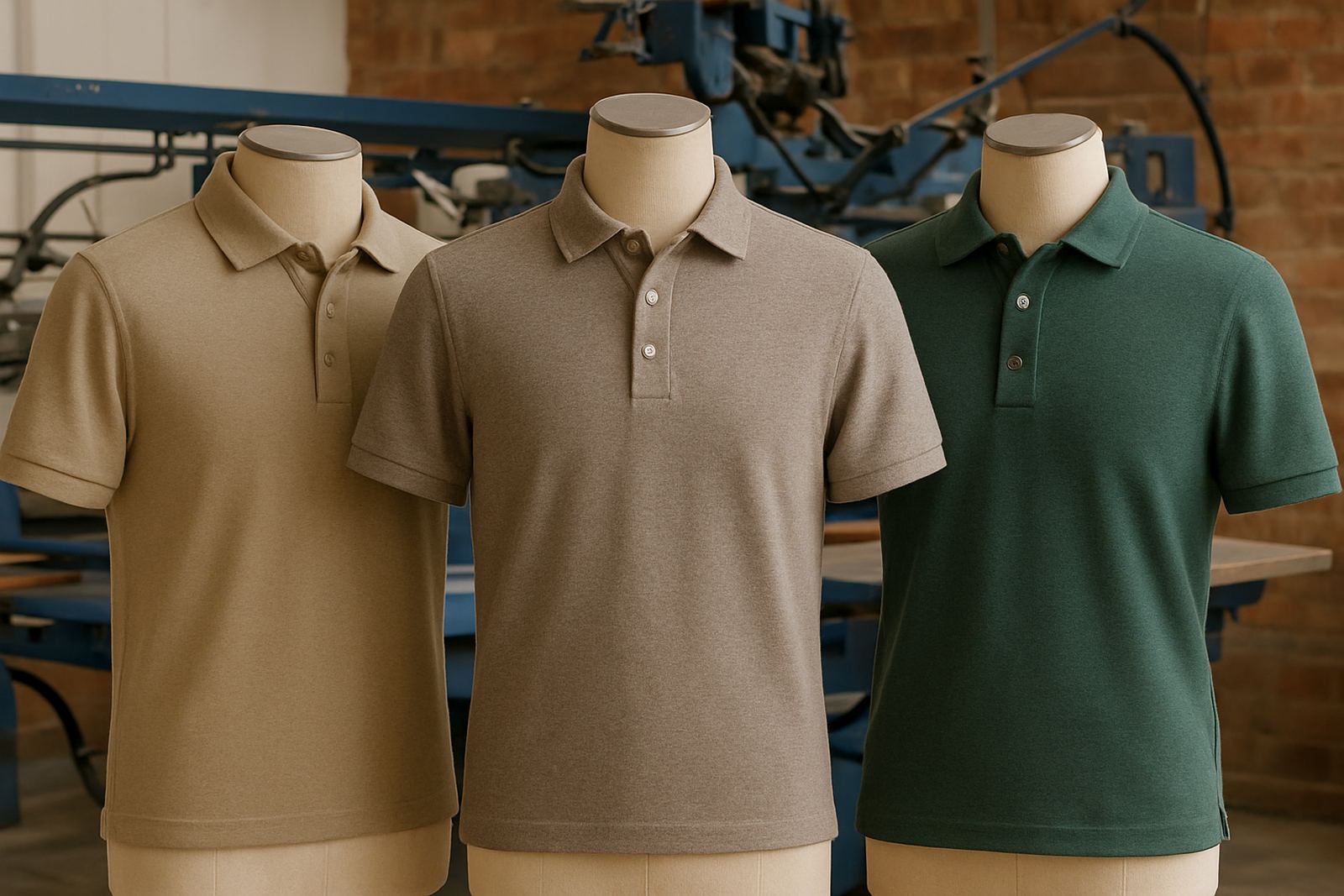
T-shirts are the most popular option for promotions, crew wear and casual teams because they are easy to print and simple to size. Golf shirts are a better fit for front-of-house staff, school staff days and company uniforms where a neater look is needed. For permanent workwear, a sturdier shirt with a cleaner collar finish often gives better value over time.
- Choose cotton for a softer feel and better breathability.
- Choose polycotton if you want easier care and better crease resistance.
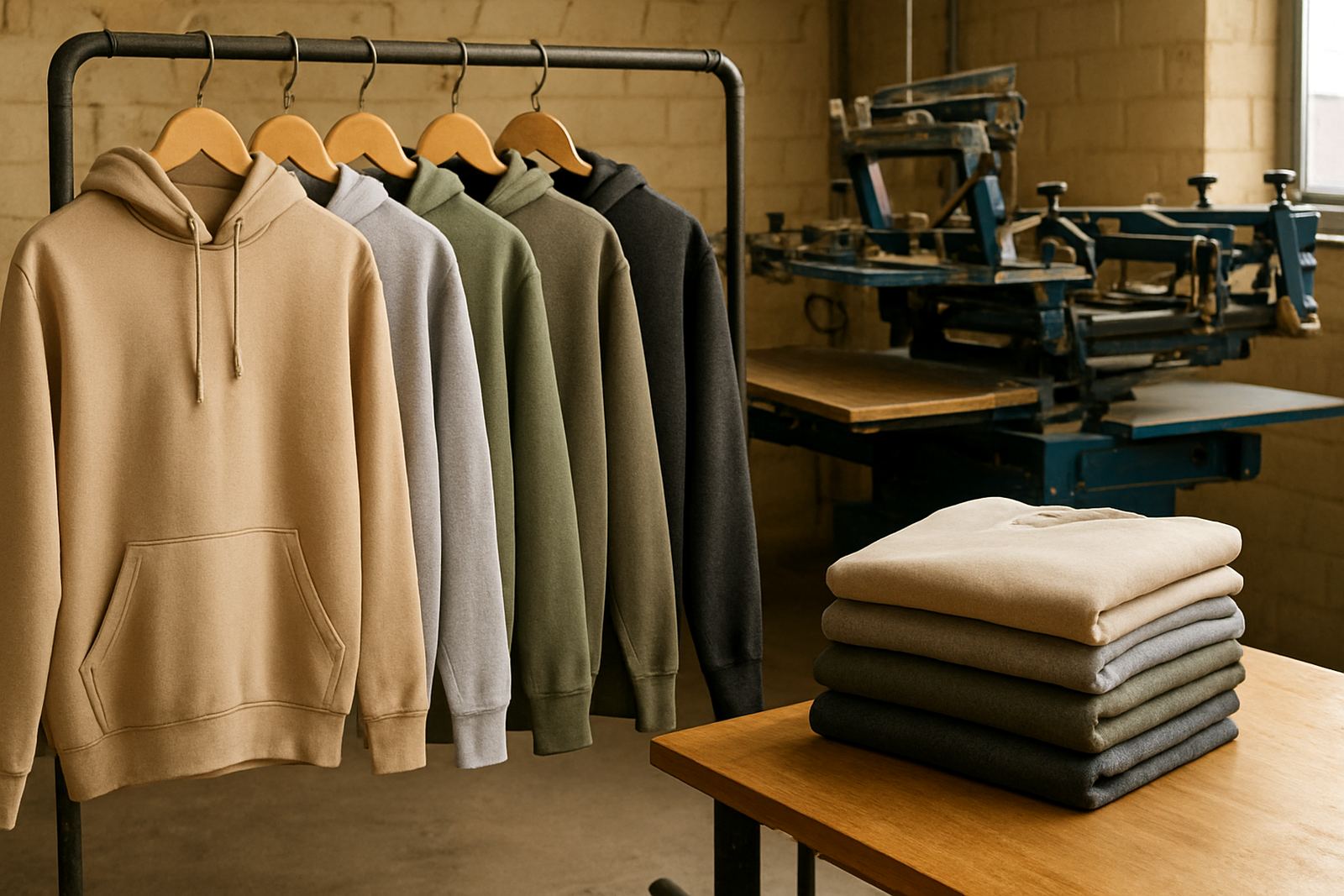
- Choose a heavier knit when the garments must last through regular wear and washing.
- Allow extra sizing for colder Free State months, especially if the garment will be worn over layers.
Fabric Choices for Print Quality and Wear
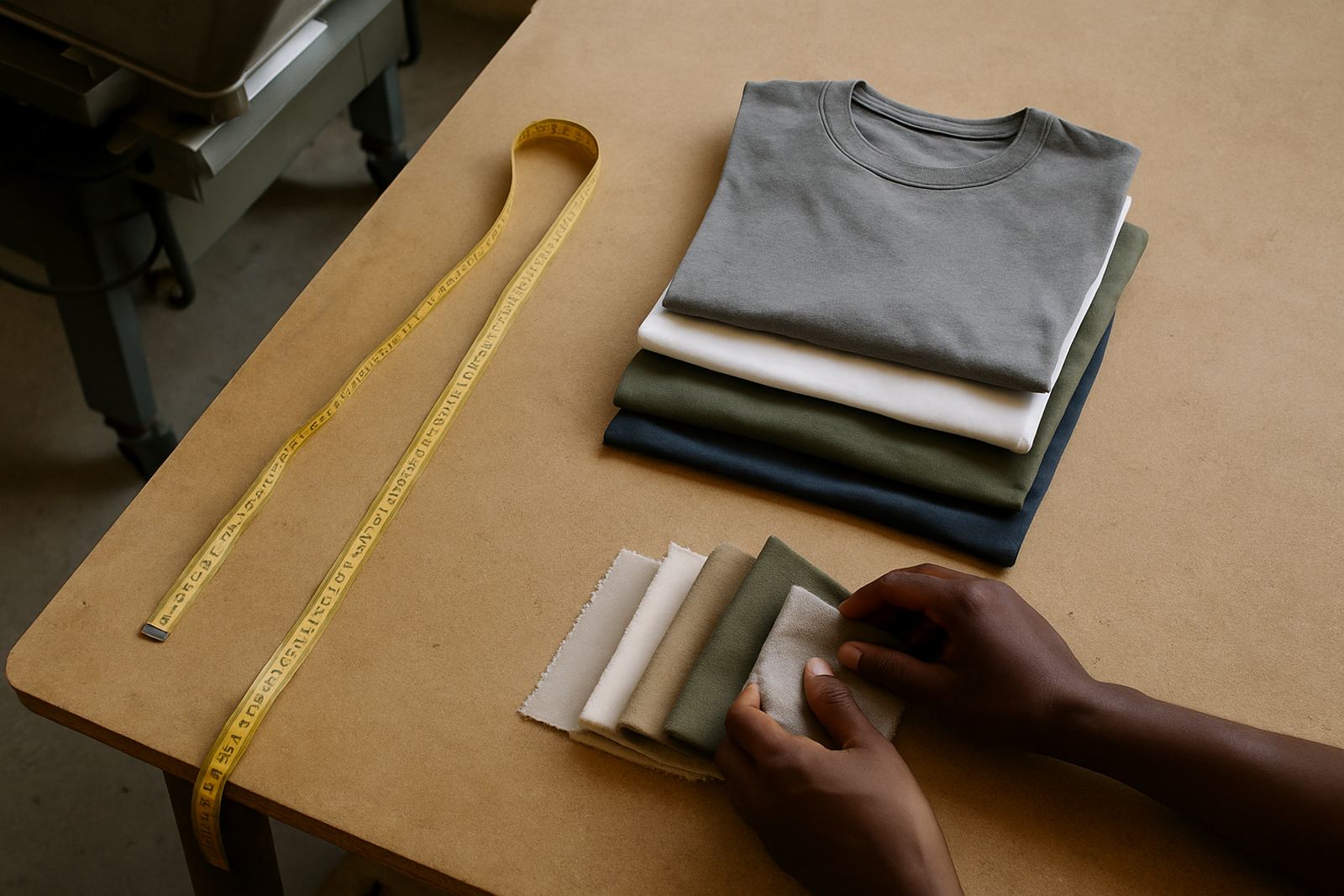
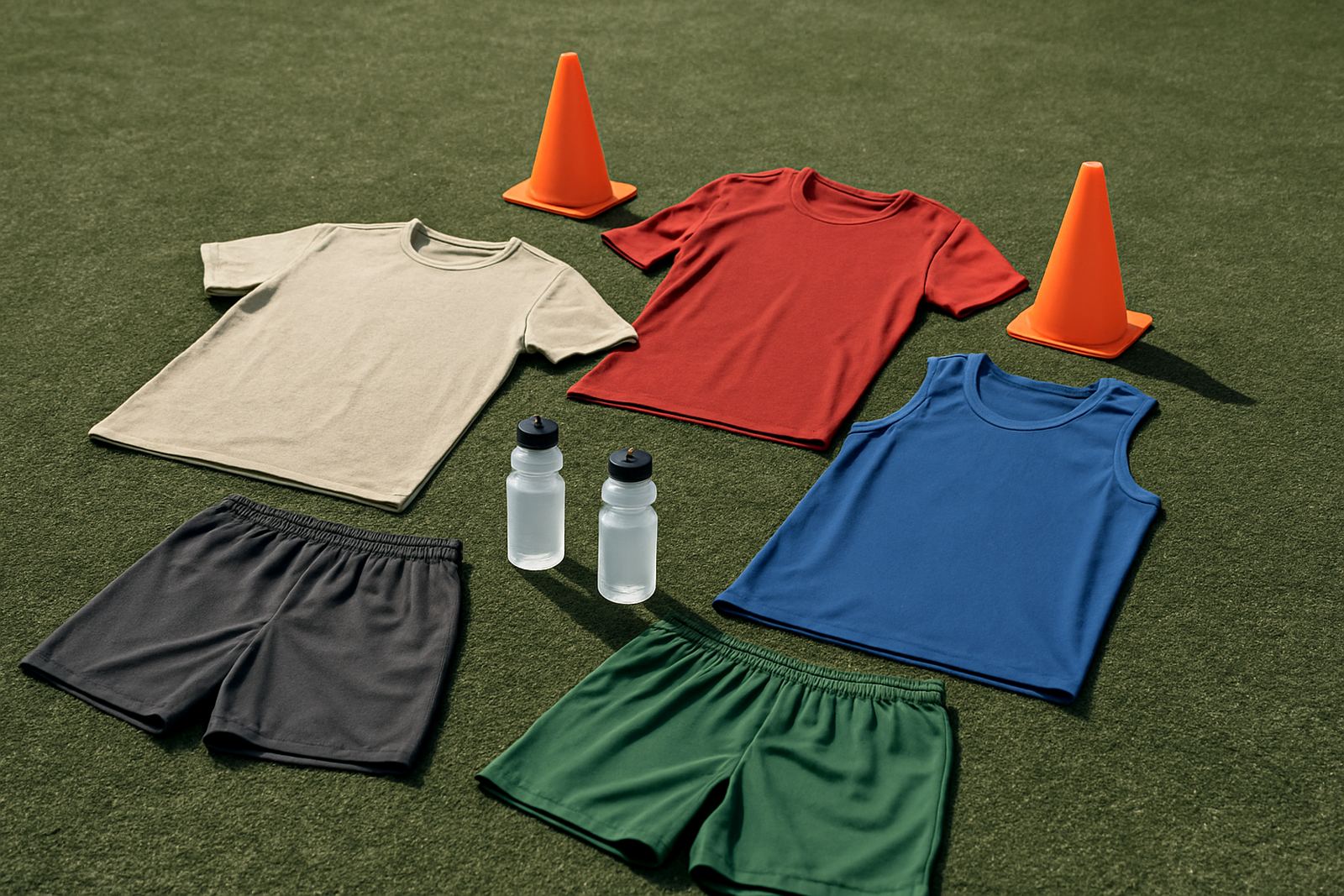
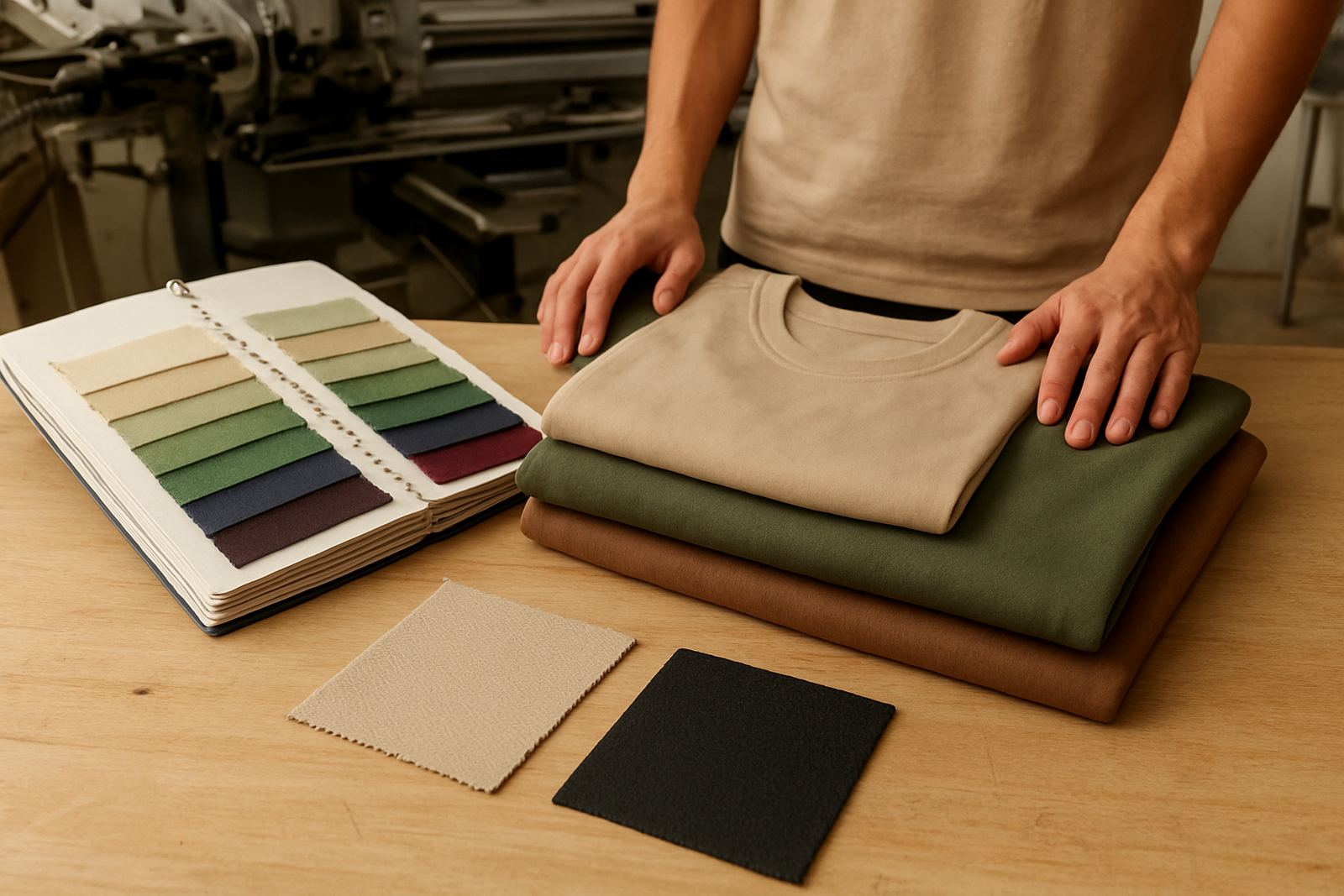
Fabric affects both the print result and how the garment feels on the body. Cotton is often preferred for comfort and a natural hand feel. Polycotton can be practical for uniforms because it dries faster and can handle frequent washing with less effort. Technical sports fabrics suit active wear, but they need careful artwork placement and print selection to avoid cracking or poor ink bonding.
In humid coastal deliveries, moisture control matters during packing and transport. In dry inland conditions, static and dust can also affect handling, so garments should be stored clean, folded and away from direct sun. If an item will be washed often, ask for a test on the intended fabric before the full run is approved.
Sizing, Fit and Colour Matching
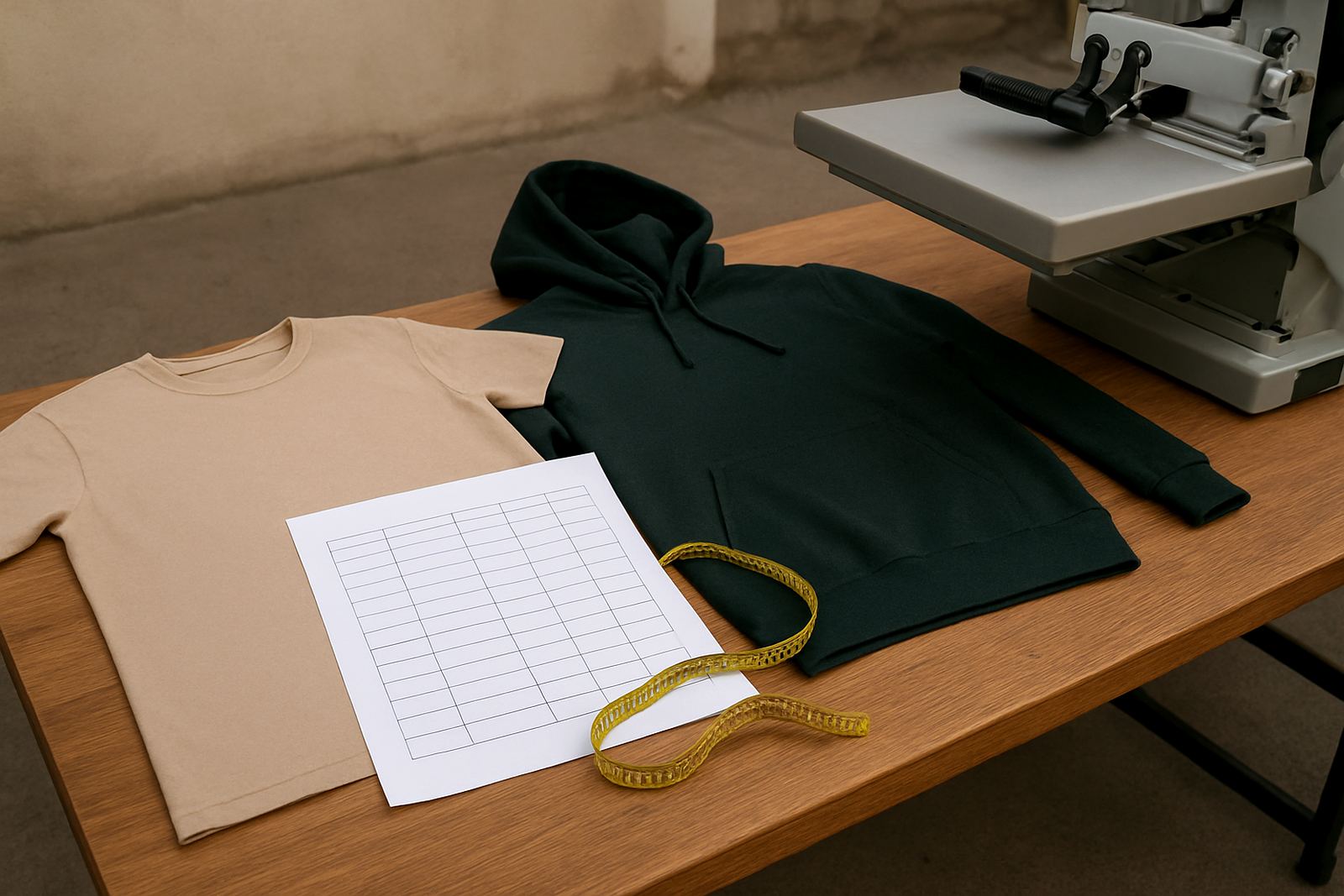
Good sizing prevents costly swaps later. Always check the range needed for the group and include a few extra pieces in the most common sizes. For school orders, youth and adult sizing should be separated clearly. For staff uniforms, a size list checked by department or branch usually works best.
- Ask for a size split before the order is finalised.
- Sort by gender-neutral sizing where possible for easier distribution.
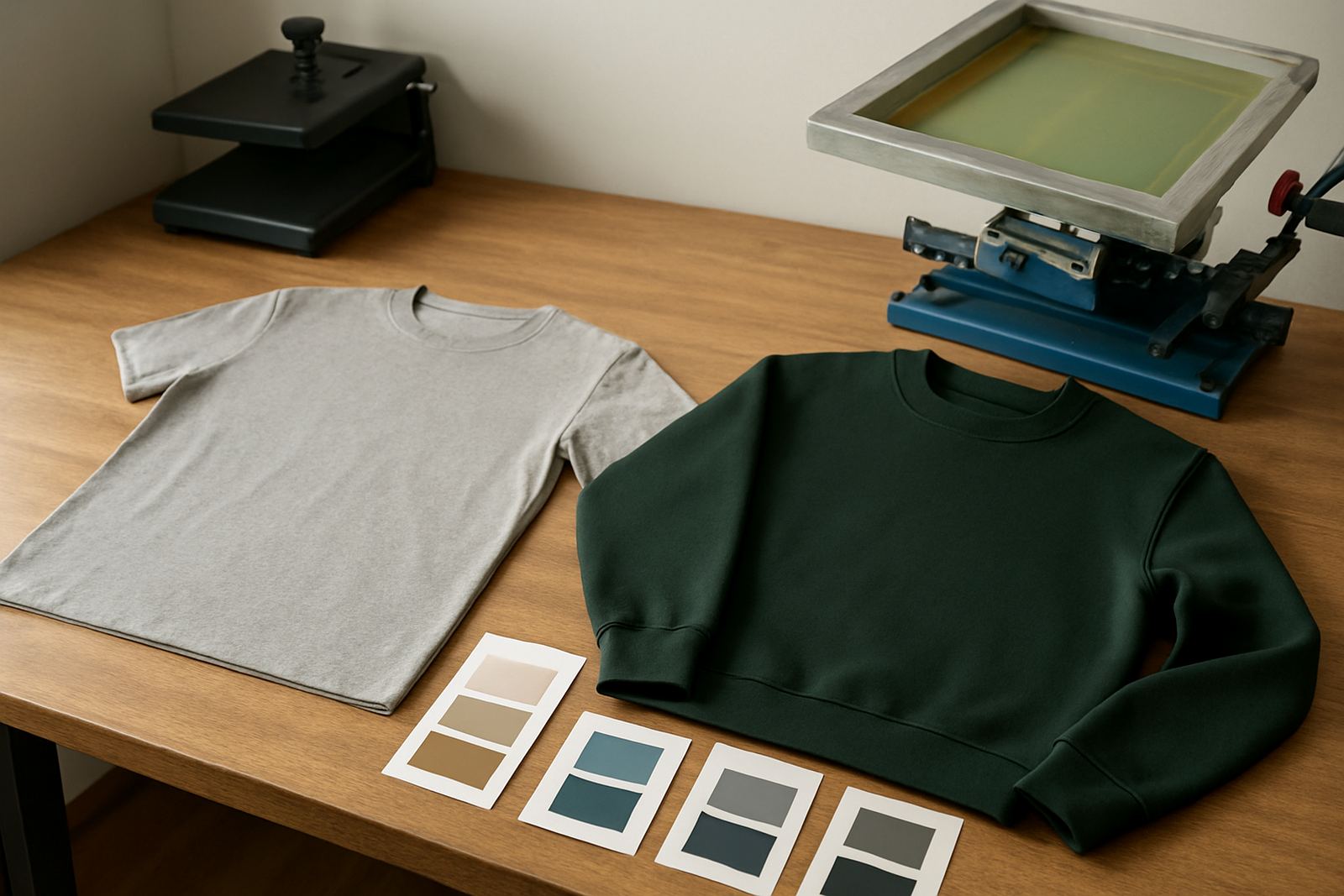
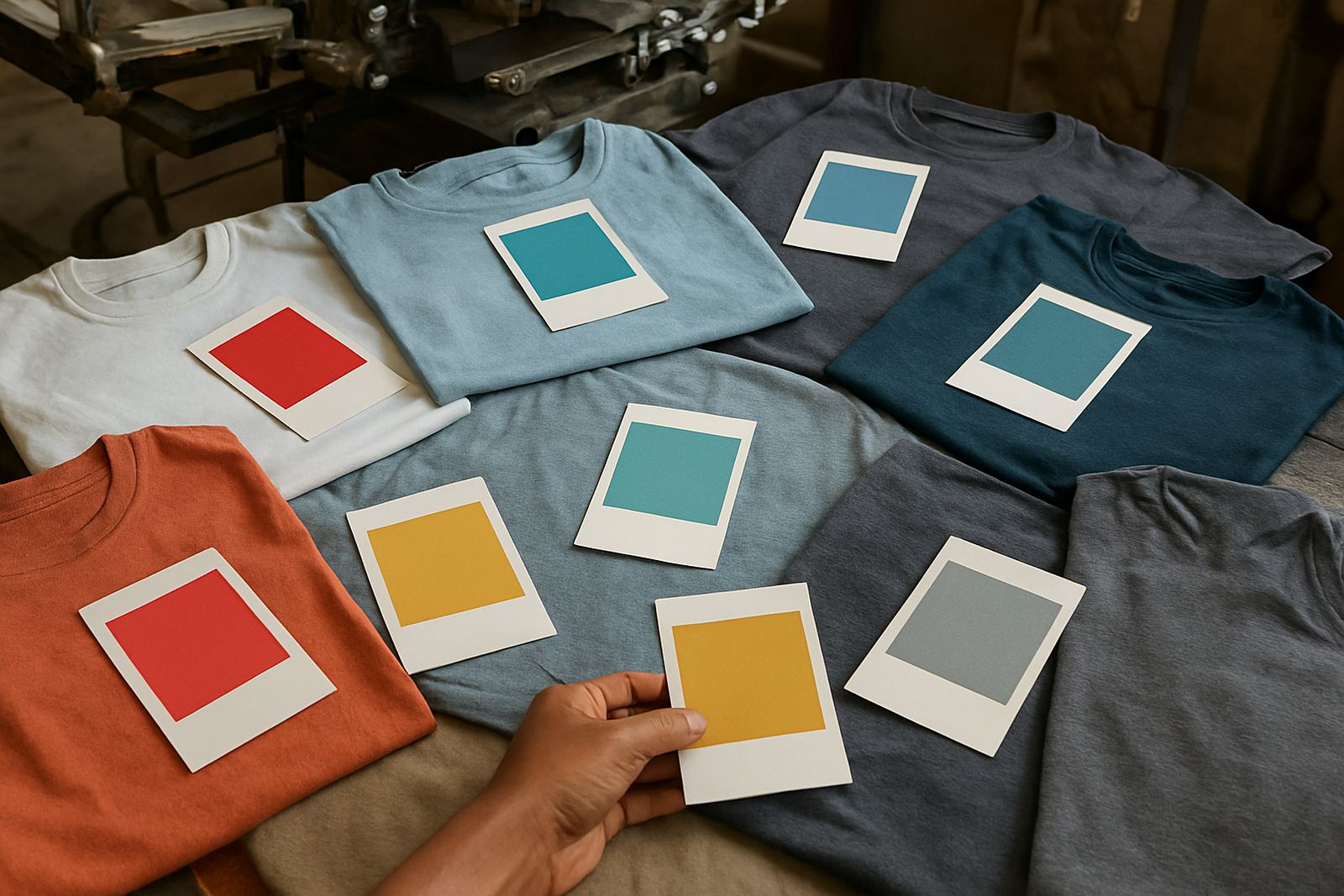
- Use colour references when matching team shirts, school colours or event themes.
- Keep a record of any previous order colour so repeat runs stay consistent.
Small colour shifts can happen between fabric batches, so it helps to approve shades early, especially when the garments need to match a logo, crest or corporate palette.
Best Print Approach for Your Quantity
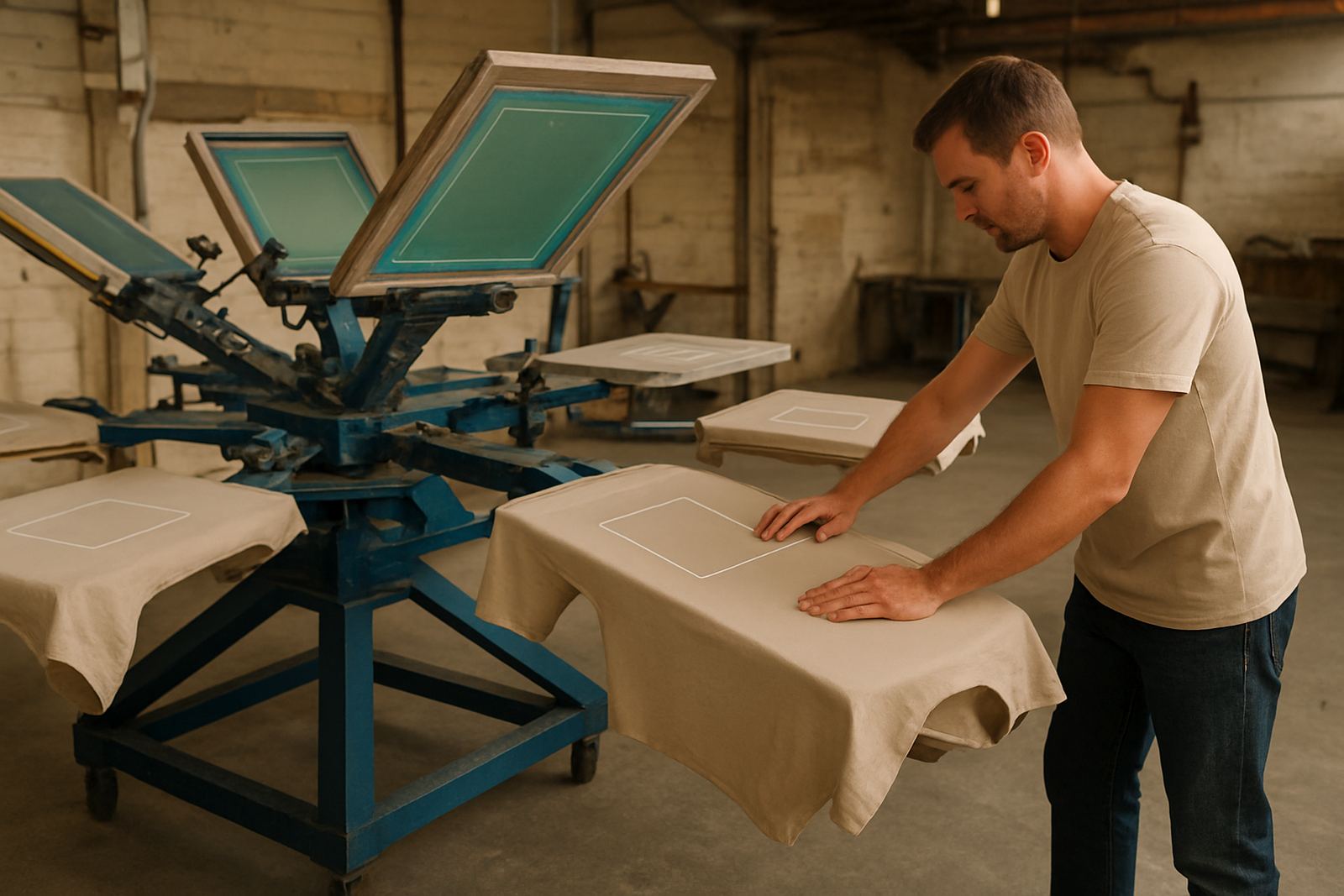
The number of items changes the most suitable print approach. Larger quantities usually work well for one or two print positions, while smaller runs are better for focused, high-value jobs such as staff shirts or limited event apparel. The number of colours in the artwork also affects set-up time and the final cost.
If your order is for a fundraiser, sports day or company launch, keep the artwork simple and legible from a distance. That gives stronger results on busy garments and helps reduce production delays. For reorders, keeping the same print size and placement saves time and keeps the look consistent.
Artwork, Pack-Out and Delivery Tips
Clear artwork makes the whole job easier. Send clean logos, correct spelling and the exact wording required for names, departments or sponsors. If the order needs individual bagging, size sorting or split deliveries to Bloemfontein, Welkom or Bethlehem, include those instructions early so the packing list is prepared properly.
- Confirm if each item needs a name, number or department label.
- Tell us if the order is for one site or several towns.
- Allow time for approval when the order includes school dates or event deadlines.
- For urgent jobs, keep the artwork simple and the quantity clear.
Load-shedding, courier cut-offs and municipal event rules can all affect timing, so early planning always helps.
Using These Guides Before You Order
These guides are here to help buyers compare options before submitting an enquiry. Whether you are ordering for a school in Botshabelo, a team in Parys or a business in Hamilton, the basics stay the same: fit, fabric, quantity, colour and print purpose. Once those are clear, the rest of the order becomes much easier to manage.
If you are planning a single event or a full staff issue, use the guides to narrow down the garment type first, then send through the details from the contact page. That way the order can be checked properly before production starts.