Start With How the Garment Will Be Used
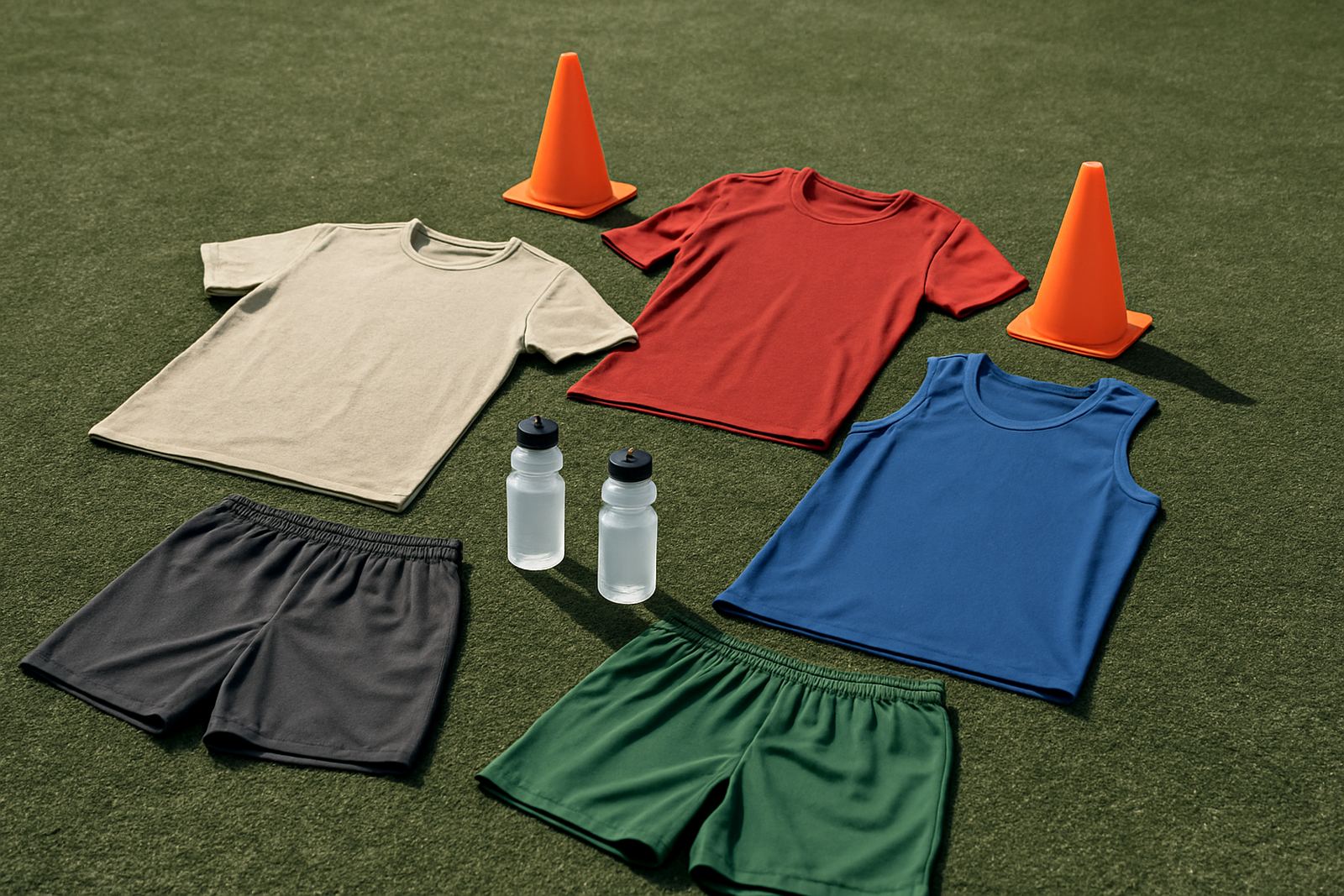
Before you choose colours or artwork, think about where the item will be worn. A training shirt that gets used three times a week in summer needs a different finish to a supporter tee worn once a month, and travel wear has its own needs too. In the Free State, mornings can be cool and afternoons hot, so many teams order a mix of short sleeve shirts, lightweight hoodies and track tops for changing conditions.
For school sides, club teams and corporate sports days, the main question is simple: will the garment need to handle sweat, sun, repeated washing or long bus trips? If yes, the fabric choice and print placement matter as much as the logo itself.
- Training: lightweight, breathable fabric that dries quickly
- Travel: mid-weight tops that keep a neat appearance
- Match day support: bold colours and strong print visibility
- Warm-ups: tops that layer over playing gear without feeling tight
Choose Fabric That Matches the Weather and the Work
Not every sports garment behaves the same way. Cotton is comfortable for casual wear, but for active use many teams prefer a poly-cotton or performance fabric because it handles washing better and dries faster. That matters when you are ordering for a whole squad and need items back in circulation quickly after a wash.
For coastal humidity or wet summer weather, a quick-drying fabric helps reduce that damp, heavy feeling. In drier inland areas such as Bloemfontein and surrounding towns, the main concern is usually heat, dust and repeated wear. Ask for fabric samples or fabric details before confirming a bulk order, especially if the kit must match existing stock.
- Polyester blends: good for training and sports use
- Poly-cotton: comfortable for general team wear
- Heavyweight fabric: better for outer layers and travel tops
- Lightweight fabric: ideal for events, tournaments and hot days
Print Placement, Visibility and Colour Matching
Sportswear printing needs to be easy to read at a distance. Team names, initials, sponsor details and numbers should stand out on the garment colour you choose. Dark garments need enough contrast, while very bright fabrics sometimes need a more careful colour choice so the design does not get lost.
Our artwork setup process looks at size, position and legibility before production starts. That saves time later and helps avoid a print that looks fine on screen but too small in real life. If your group wants a specific shade for a school, club or event, colour matching should be checked against the fabric rather than guessed from a photo.
- Chest prints work well for logos and team names
- Back prints suit supporter shirts and sponsor messages
- Sleeve prints can be used for numbers or event details
- Keep fine detail simple so it prints clearly on fabric
Ordering for Small Groups or Large Team Sets
Some sports orders are only a handful of items for a coaching team or a small support crew. Others are full squad sets, school batches or company sports day orders with different sizes across the group. Either way, size sorting and clear order lists make the whole process easier.
If you are ordering for mixed ages or body types, ask for a size guide and confirm who needs what before final approval. It is also worth separating player kit from supporter wear, because the same shirt style may not suit both uses. For bigger orders, a single missed size can slow everything down, so double check the list before production starts.
- Confirm sizes by person, not only by quantity
- Separate players, coaches and supporters on the order sheet
- Check if extras are needed for late additions or replacements
- Allow enough lead time for printing, sorting and courier dispatch
Keep Shirts Neat From Production to Delivery
Once the garments are printed, they still need to arrive in good condition. Individual bagging helps keep sizes together and protects items during transport, which is especially useful for school orders, away fixtures and couriered deliveries across the Free State and beyond. It also makes hand-out day much easier because each item is ready to issue.
For teams that are travelling, bagged items reduce confusion when there are many similar shirts in one delivery. It also helps when uniforms are being distributed in stages. If your group collects from Hamilton in Bloemfontein, or receives couriered stock in places like Welkom, Bethlehem, Kroonstad or Parys, good packing keeps the order neater and easier to check on arrival.
Load-shedding can affect production planning, so it helps to approve artwork and sizes promptly. That gives the team room to schedule print runs and dispatch without last-minute pressure, and it avoids delays when municipal traffic or courier cut-off times are involved.
Care Tips That Help Prints Last Longer
Printed sportswear lasts longer when it is washed and dried properly. Turn garments inside out before washing, use cold or lukewarm water, and avoid harsh bleach on the printed area. Very hot ironing directly on the print can damage the finish, so use a cloth layer or iron on the reverse side if needed.
If the kit will be used outdoors often, think about how the print will hold up after repeated exposure to sun, sweat and washing. A good print should stay readable and tidy without cracking too quickly. That is why it helps to choose the right garment and print method from the start rather than fixing problems later.
- Wash inside out with similar colours
- Avoid strong chemicals on printed areas
- Do not leave wet shirts balled up in a kit bag
- Hang dry where possible to reduce shrinkage
A Simple Checklist Before You Confirm The Order
Before you send through your enquiry, it helps to work through a short checklist. That saves time, reduces mistakes and makes sure the finished sportswear suits the people who will actually wear it. If you are ordering for a school, club, business team or event crew, this step is worth it every time.
Our team in Hamilton, Bloemfontein handles custom screen printing, uniform printing and bulk order printing for sportswear of all kinds. From the first artwork check to quality control and dispatch, the process is easier when the details are clear upfront. Small runs and larger team orders both benefit from the same careful planning.
- Confirm garment type and fabric
- Approve print placement and colour choices
- Send a full size list with quantities
- Check delivery address and preferred timing
- Keep a spare item or two for replacements