
Start With How The Uniform Will Be Used
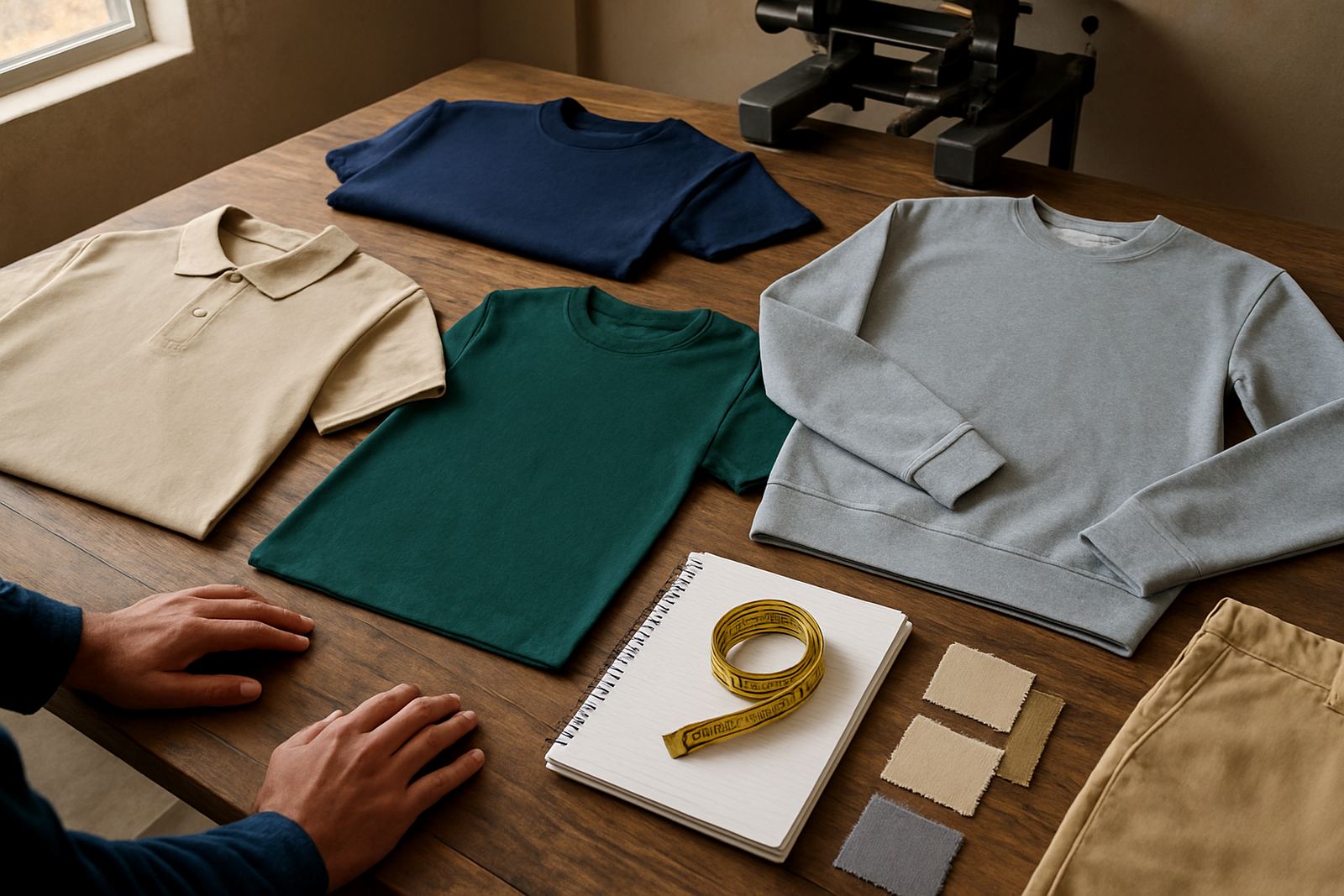
Before you choose fabric or print, think about the job the uniform must do every day. A front-of-house shirt for a school office in Bloemfontein will need a different finish from a work shirt worn in a yard, store room, or hot summer venue. Think about movement, heat, washing frequency, and how long staff are expected to stay neat through a shift.
In the Free State, conditions can swing from dry cold mornings to hot afternoons, so comfort matters. For outdoor teams, choose garments that allow air flow and do not feel heavy after a few hours. For indoor teams, a cleaner cut and better colour control may matter more than extra thickness.
- Will the garment be worn daily or only for events?
- Does the team work indoors, outdoors, or both?
- How often will the clothing be washed?
- Do staff need pockets, long sleeves, or easy movement?
Choose Fabrics That Suit South African Conditions
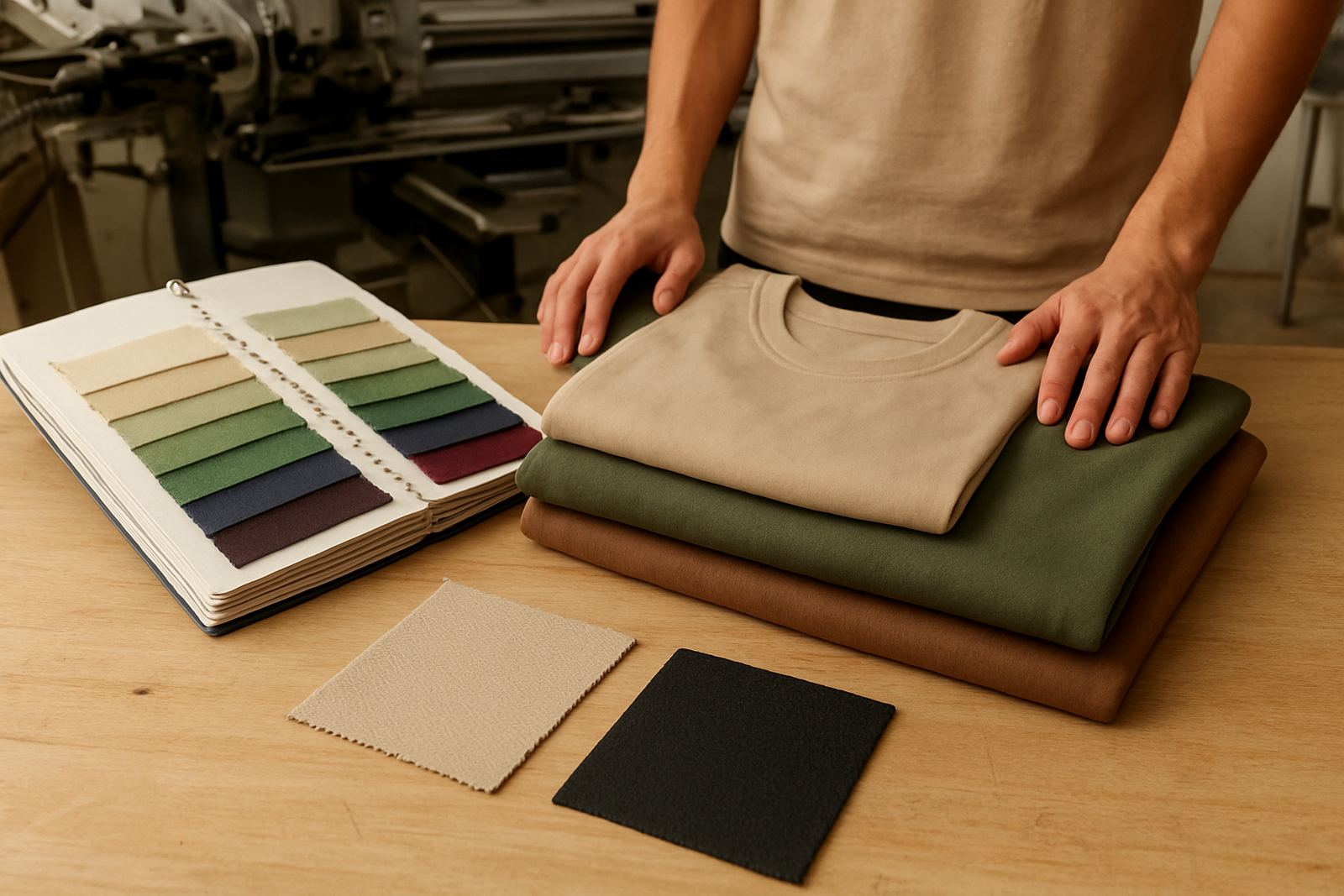
Fabric choice affects how the uniform feels, how it prints, and how long it keeps its shape. Cotton-rich options are comfortable and familiar, while polyester blends can dry faster and hold colour well for repeated use. If the clothing must handle frequent washing, look for fabrics that keep their size and do not twist badly after a few cycles.
For coastal humidity, quick-drying blends are often a better choice. In drier inland areas, comfort and breathability can matter more. If the team works in a setting where uniforms are washed often, ask how the garment behaves after repeated laundering and whether the colour will stay even across the full order.
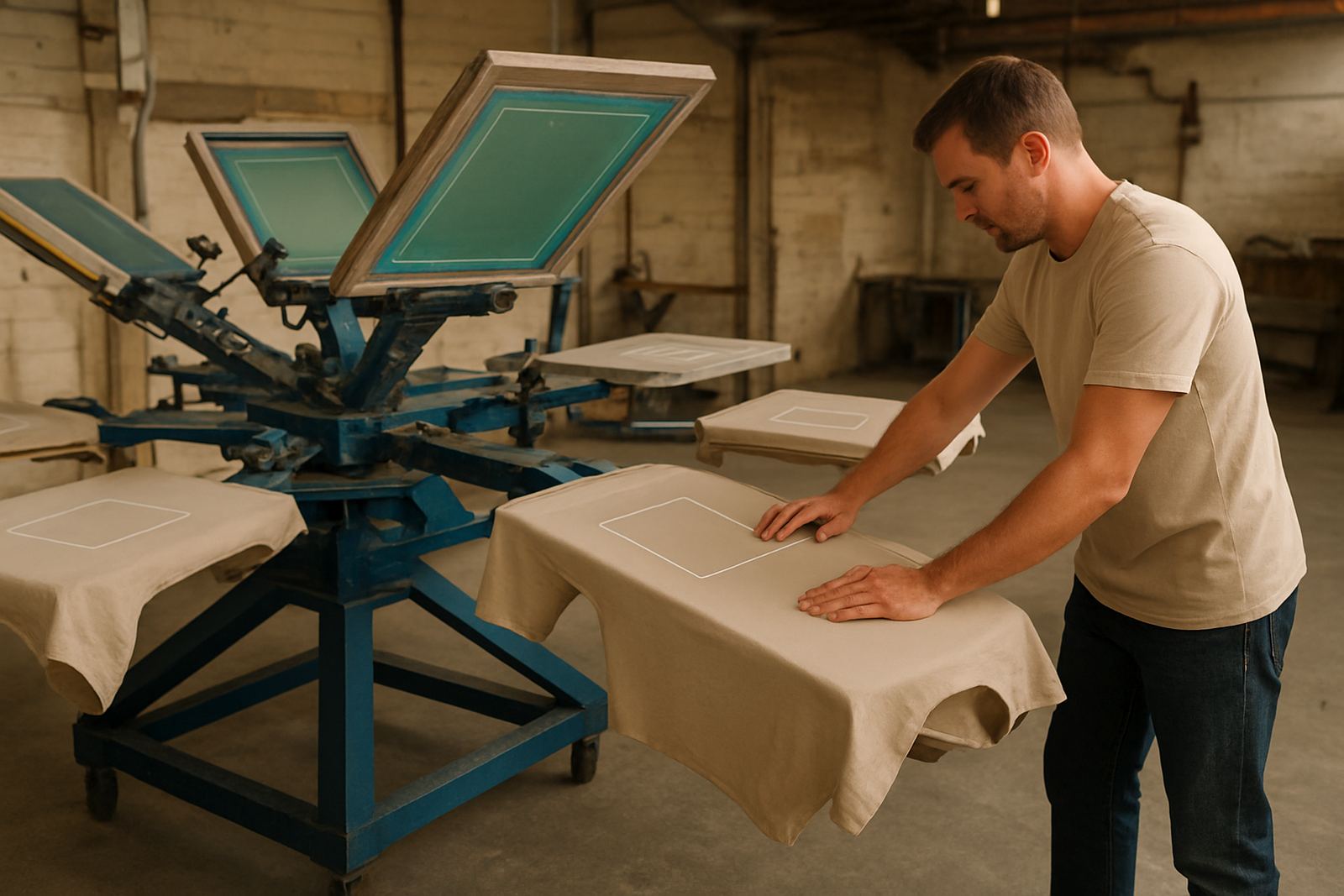
- Check whether the fabric is suitable for screen printing
- Ask about shrinkage after washing
- Confirm colour consistency across sizes
- Choose lighter fabrics for heat and high movement
Get The Fit Right Before You Place The Order
Good fit makes a uniform look professional without making staff feel restricted. A shirt that is too tight pulls at the print and can look untidy after a few washes. One that is too loose may look sloppy and can get in the way during work. If you are ordering for a mixed team, size range planning should happen before artwork approval.
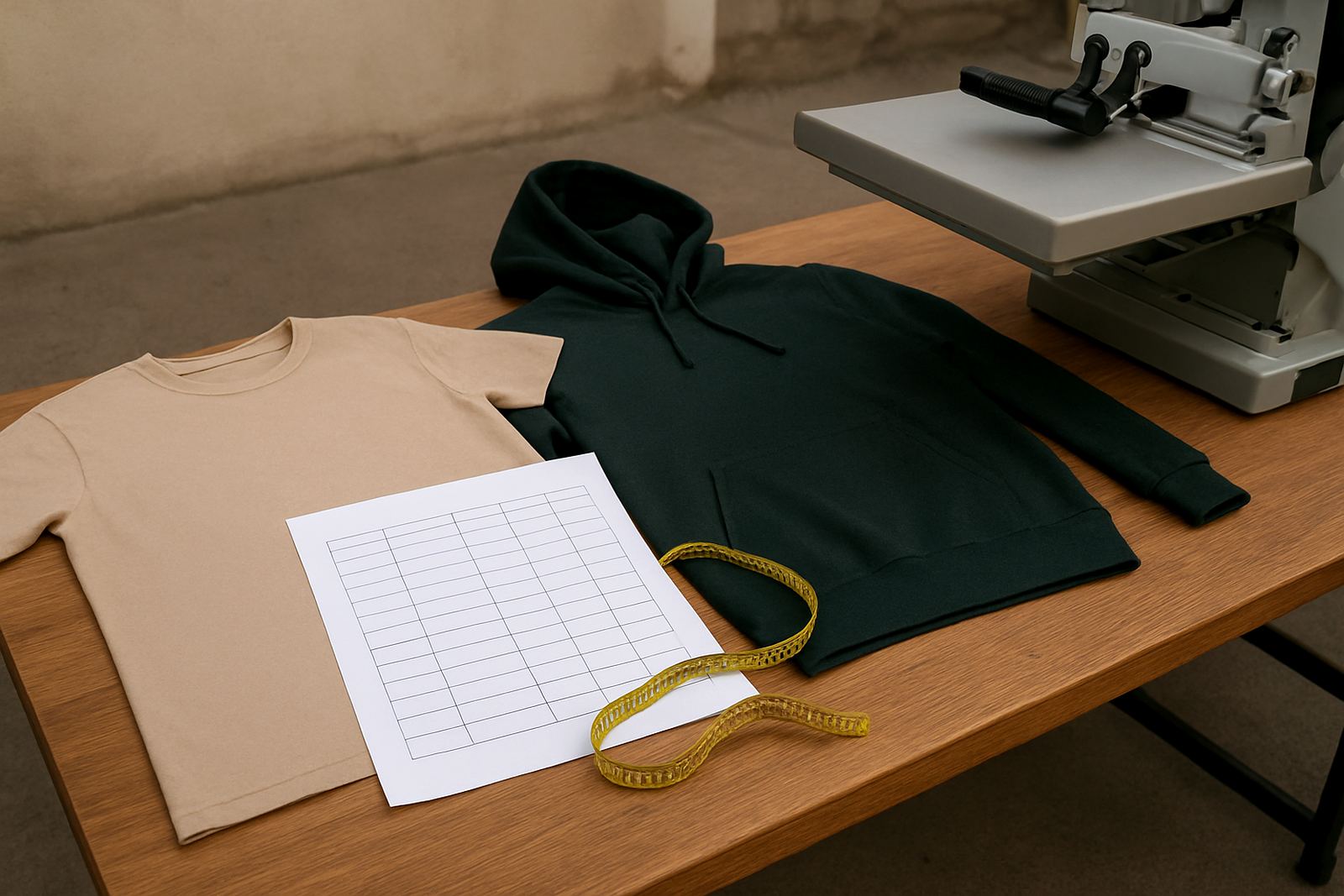
We recommend collecting sizes using a simple sheet, then checking for outliers before production starts. For schools, event teams and businesses with mixed body types, it helps to allow a few extra pieces in the most common sizes. That keeps you covered when new staff join or when a size was recorded incorrectly.
- Measure chest, waist and length where needed
- Use the same size chart for everyone
- Add spare units in the most common sizes
- Separate male, female and unisex fit requirements early
Plan Your Artwork For Clear Identification
Uniforms should identify the wearer quickly and still look tidy from a distance. Keep the artwork simple enough to read on a shirt or jacket, especially if the garment will be used at events, school functions, or customer-facing counters. Names, roles, logos and a single secondary line usually work better than crowded layouts.
Colour matching also matters. A logo that looks strong on paper may not print well on every fabric colour. Dark garments need a different approach from light garments, and some inks show better on certain bases. It is worth checking the final placement, size, and contrast before the full run goes ahead.
- Use clear lettering that can be read quickly
- Keep logo placement consistent across all garments
- Check how the design looks on both light and dark fabrics
- Approve spelling, job titles and contact details carefully
Balance Price With Durability And Reordering
The cheapest option is not always the best value if it wears out quickly or looks tired after a few washes. A better uniform keeps its shape, colour and print for longer, which reduces replacement pressure. That matters for schools, workshops, hospitality teams and companies that issue uniforms in batches through the year.
Repeat ordering is easier when the original order is properly recorded. Keep track of garment type, colour, print position, size spread and artwork version. If you expect staff turnover or seasonal hiring, ask for a plan that allows top-ups later without starting from scratch. That saves time and keeps the whole team looking consistent.
- Compare cost per wear, not only the first price
- Ask what happens after 10 to 20 washes
- Keep the same garment code for future orders
- Record all sizes and print details from the first batch
Use A Simple Ordering Checklist Before Production
A clear checklist reduces mistakes and delays, especially when uniforms are couriered to Bloemfontein, Hamilton, Botshabelo, Thaba Nchu, Welkom, Bethlehem, Kroonstad or Parys. It also helps when orders move between departments, because everyone can see what has been approved and what still needs attention.
Before you confirm, make sure the order reflects the actual team size, the right garment type, and the correct artwork. If the order is for an event, school intake or new branch, build in enough lead time for artwork setup, size sorting and final checks. That gives you a cleaner result and fewer urgent follow-ups.
- Confirm garment style, colour and size mix
- Approve artwork layout and spelling
- Check quantity for current staff plus spares
- Allow time for sorting, bagging and delivery
What To Ask Before You Place The Order
If you are buying uniforms for the first time, a few practical questions can save you money and stress. Ask whether the garment is suited to screen printing, how the print will behave after washing, and whether the order can be split by department or size. If your team works in shifts, ask about packaging and delivery timing so the right cartons reach the right people.
For businesses and schools around Bloemfontein and across the Free State, a good supplier should be able to help with artwork setup, colour matching, size sorting and individual bagging. That makes roll-out much easier when uniforms have to go out in batches or to more than one site.
- Can the same style be reordered later?
- Will the print stay clear after regular washing?
- Can sizes be sorted and packed individually?
- Is courier delivery available for outlying towns?