
Watch the wear, not just the stock count
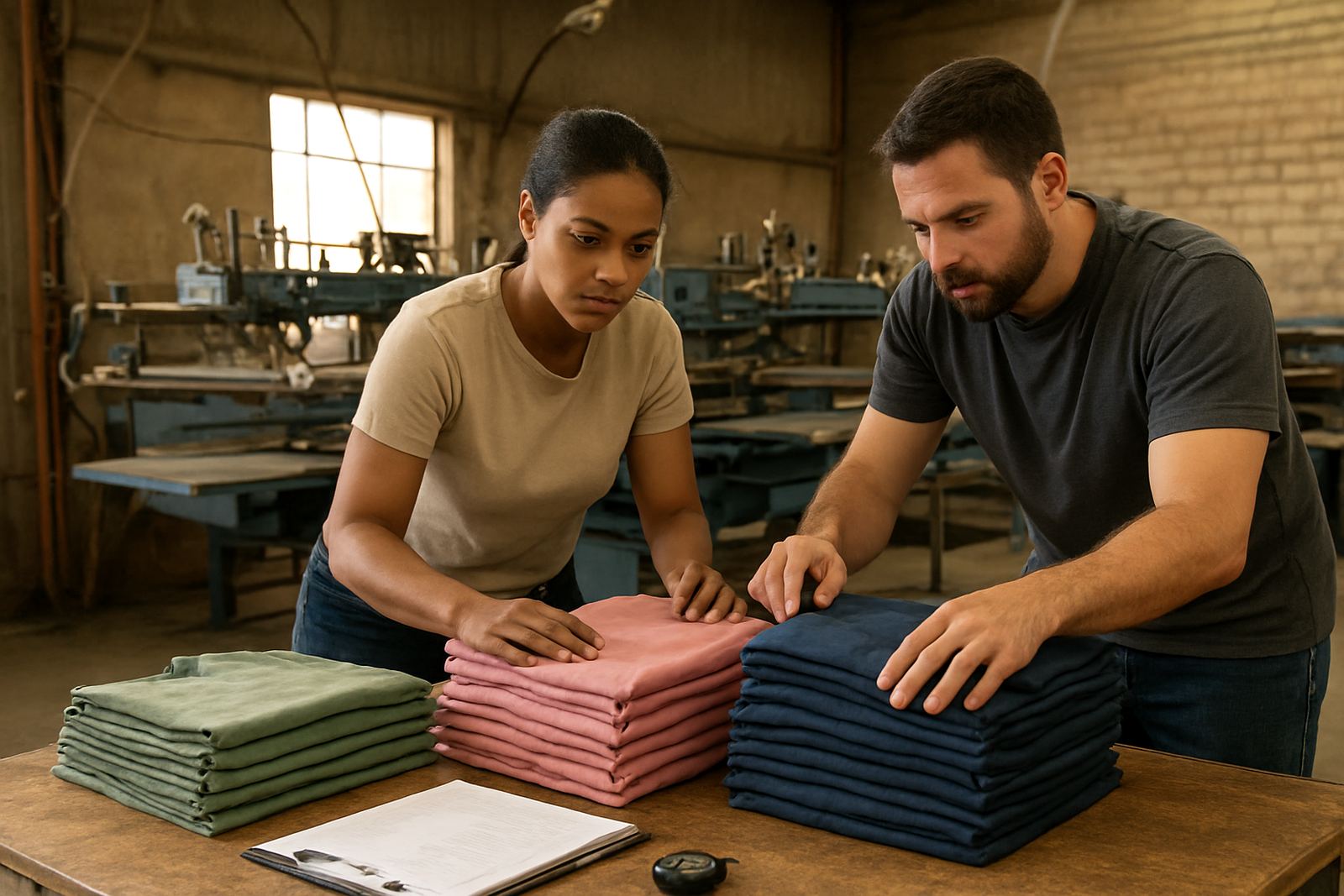
Most businesses only notice they need a reorder when someone says, “we are out.” By then, the smallest sizes are gone, the neatest shirts are reserved for front-of-house staff, and the last few items often have the most wear. A better approach is to watch condition as well as quantity. Once fabric starts thinning at the seams, collars lose shape, or printed areas look dull after repeated washing, it is usually time to top up. In Bloemfontein and surrounding towns like Botshabelo and Thaba Nchu, dust, sun exposure and frequent washing can shorten the life of everyday workwear faster than people expect.
For schools and teams, the same rule applies. A set of shirts may still be technically usable, but if the colour has shifted or the print no longer looks even, the group stops looking coordinated. That is often the point where a reorder makes sense, even if every item has not yet failed.
Repeat orders should be planned before the next rush
If a design keeps selling, or the same uniform gets reordered every term, the safest time to place the next order is while you still have a clean sample. That makes colour matching easier and keeps the print looking consistent from batch to batch. It also gives enough time for artwork setup, sizing checks and any small adjustments before production starts.
This matters even more when the order needs to cover several branches, shifts or departments. A company in Hamilton may need different sizes for warehouse staff, sales staff and drivers, while a school in Welkom or Kroonstad may need the same shirt repeated for new learners, new coaches or event helpers. Waiting too long often means replacing one item at a time, and that is where consistency starts to slip.
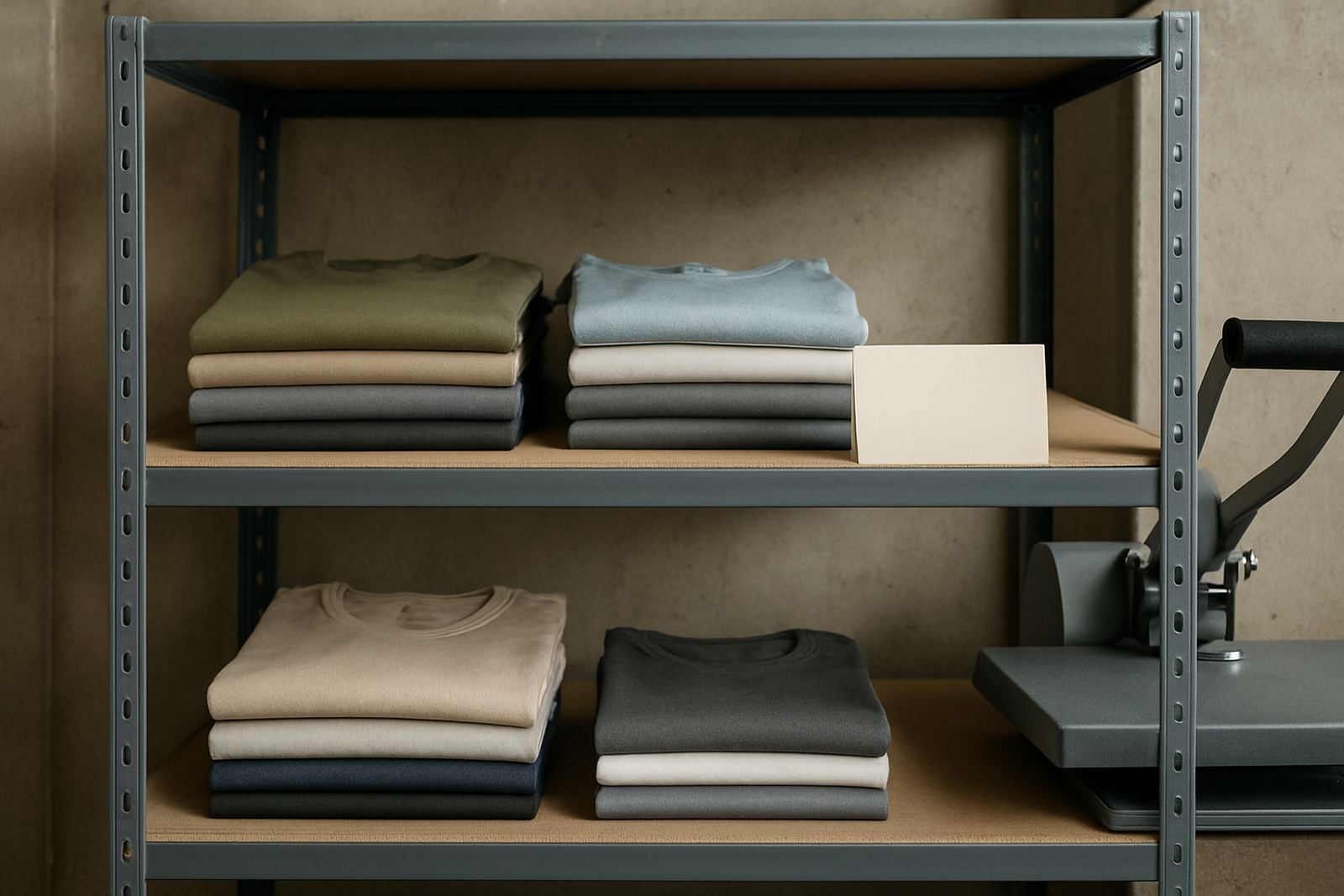
- Top up when stock falls below your next month or term’s expected use.
- Repeat best sellers while the artwork file and approved colours are still current.
- Reorder before year-end functions, sports days or trade shows, not after the dates are fixed.
The signs your uniforms need a fresh run
Uniforms do not all wear out at the same pace. A busy driver’s shirt, a kitchen apron and a school sports top will each show age in different ways. The trick is to spot the early signs before the whole team starts looking uneven. If you are replacing items one by one, you may already be overdue for a proper top-up.
Common warning signs include:
- Fade that is obvious in bright daylight, especially on darker colours.
- Print cracking, peeling or becoming patchy after repeated washing.
- Stains that no longer come out, even after standard laundering.
- Size gaps, where only extrasmall or extra-large items are left.
- Mixing old and new stock that no longer matches in shade or fit.
In coastal humidity areas this can happen faster with stored stock too, especially if garments sit in a warm storeroom for months. Even inland, load-shedding can disrupt laundry routines and delay replacement planning, so it helps to keep a small buffer rather than waiting for a total reset.
When your print still sells but your sizes do not
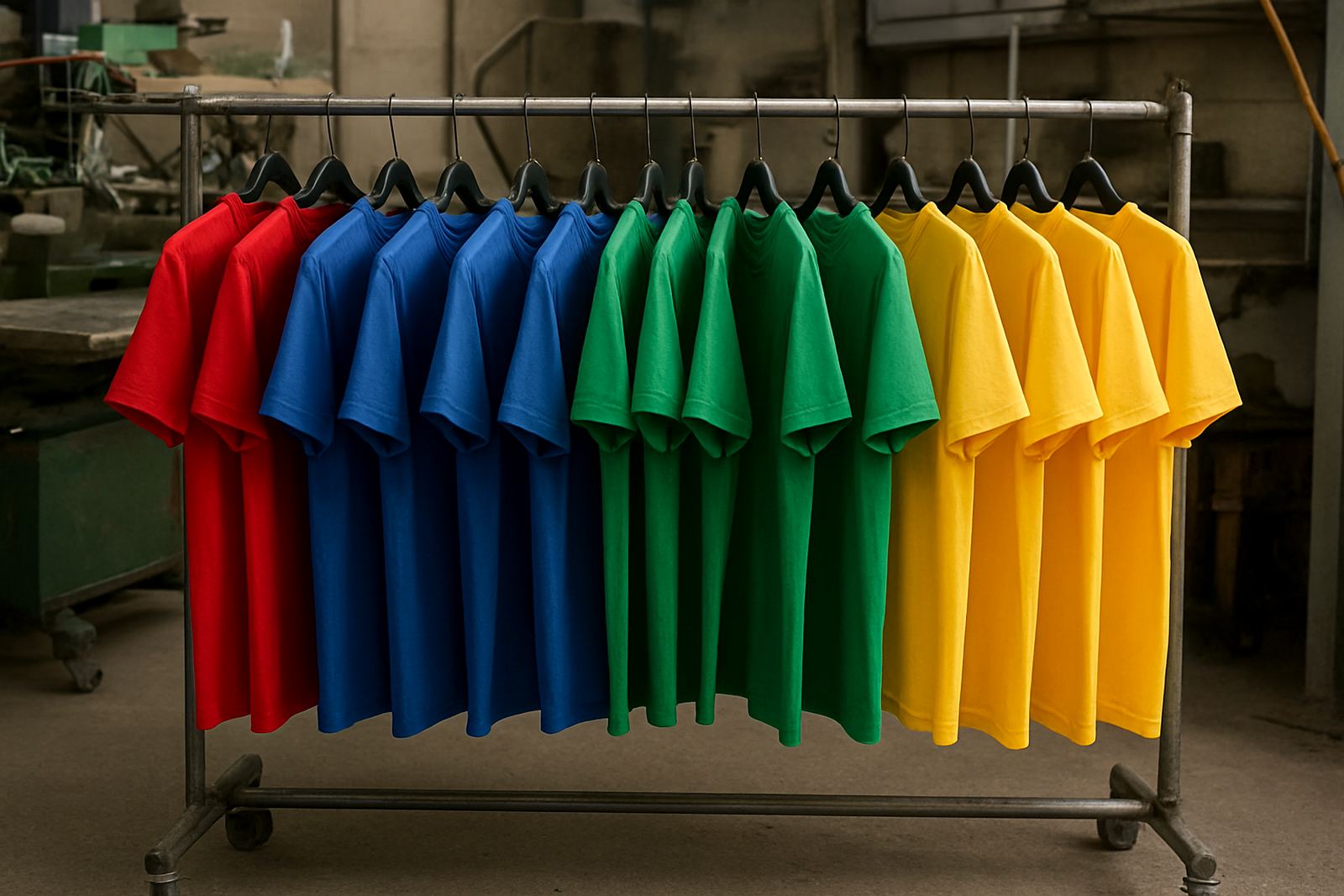
Some items keep moving because the design works. A sports tee, branded event shirt or school society top can stay popular long after the first run. The problem is usually not demand, it is size availability. When you have plenty of medium and large left but no smalls or 2XL sizes, the order is effectively out of balance. That is a strong sign to reorder and correct the range.
For promotional apparel, a common mistake is to restock only the most requested size. That may seem efficient at first, but it leaves gaps that create unhappy customers and extra admin. A smarter repeat order includes a fresh size check and a look at what actually moved last time. If the same item is still popular in Bloemfontein, Parys or Bethlehem, it is worth repeating the full range instead of guessing.
- Check which sizes were left over after the last issue or event.
- Compare sales by size instead of relying on what looks popular on the shelf.
- Keep a small reserve for late joiners, new staff or last-minute event tickets.
Budgeting for reorder timing saves more than rushing
Reordering on time usually costs less than chasing a last-minute job. Rush decisions often mean partial quantities, missed sizing, or paying extra to fix avoidable problems. When the job is planned properly, there is time to confirm artwork, match colours and pack items in the way the client needs. That is especially useful for bulk order printing, where a little preparation can prevent a lot of stress.
Many clients in the Free State order in cycles. A school may reorder before winter, a business may top up before a new intake, and an event organiser may repeat a proven shirt for the next function. If you know your busy season, build the reorder into the calendar. It keeps the work organised and avoids the scramble that often comes with municipal notices, sports fixtures or year-end events that move faster than expected.
A Bloemfontein example that makes the timing clear
Take a local warehouse team in Hamilton that issues printed shirts to 24 staff. In month one, the shirts look sharp. By month six, a few have faded from repeated washing, three sizes are already short, and two shirts have been moved to backup duty because they no longer present well. If the manager waits until the last shirt is worn out, the next order becomes an emergency. If they reorder when the first signs show, the new stock arrives in time for proper size sorting and individual bagging, and the team stays neat throughout the season.
The same logic works for schools and clubs across Botshabelo, Thaba Nchu and Welkom. If your group depends on looking uniform, waiting for total exhaustion is too late. The sensible point is the moment the old set stops representing the group properly. That is when a fresh run protects both appearance and budget.
A simple reorder checklist you can use now
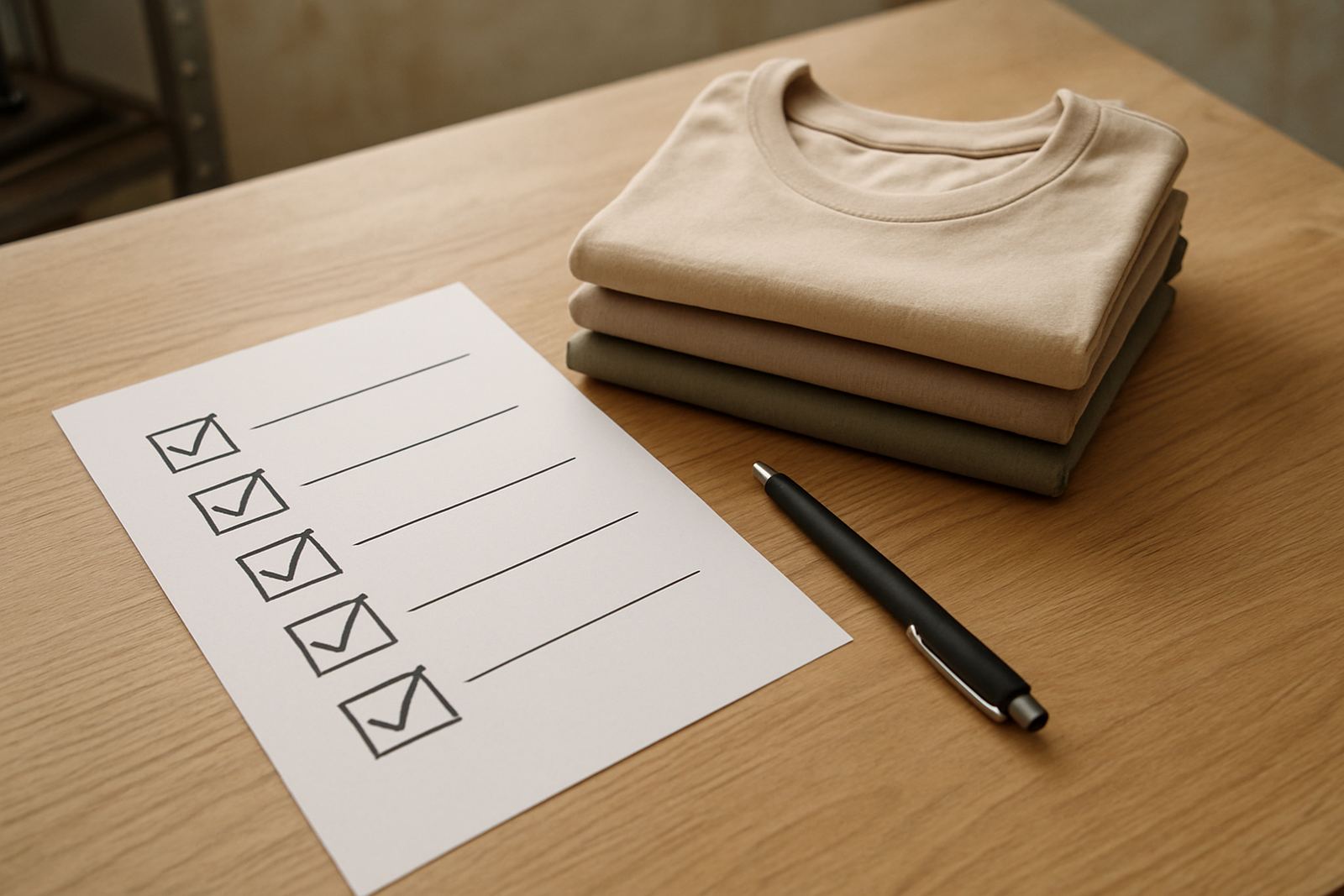
If you are unsure whether the time is right, use a short checklist. It helps you judge the order on facts instead of guesswork. Once two or three of these signs appear, a reorder is usually due.
- Less than 20 percent of stock is left in the main sizes.
- Print quality has dropped noticeably after washing.
- New staff, learners or event helpers need the same item.
- The next busy period is within 4 to 6 weeks.
- The current stock no longer looks consistent as a group.
For businesses, schools and events, a timely reorder keeps people looking organised and ready. It also gives enough space to sort sizes, match colours and prepare every garment properly before it leaves our Hamilton base for delivery across the Free State or nationwide.