
Why repeat orders go wrong when the details are thin
The biggest problem with a repeat order is not the printing itself, it is missing information. If the original instruction only said “same as last time”, there is room for confusion about garment type, print size, ink colour, placement and sizing split. That is where small differences creep in and the new batch no longer matches the old one.
A proper repeat record keeps the order clean from the start. It should show the exact garment style, fabric blend, colour, sizes ordered, print positions and whether the artwork was approved for front, back or sleeve printing. If the client later wants 20 more shirts for a staff intake in Bloemfontein or a sports day in Thaba Nchu, the file should already show what was done before.
For many Free State clients, repeat work happens after a term starts or a campaign picks up. There is often not much time, so the record needs to do the heavy lifting. The clearer the first order, the less back and forth later, and that saves both time and money.
Keep one master record for every garment
The most useful habit is to keep one master record per product line. That means a separate note for the golf shirt, T-shirt, hoodie or reflector vest, instead of one mixed note for everything. When a company in Welkom needs another 40 staff shirts after a round of hiring, the master record should already hold the right item codes, sizing mix and artwork position.
At minimum, the record should capture:
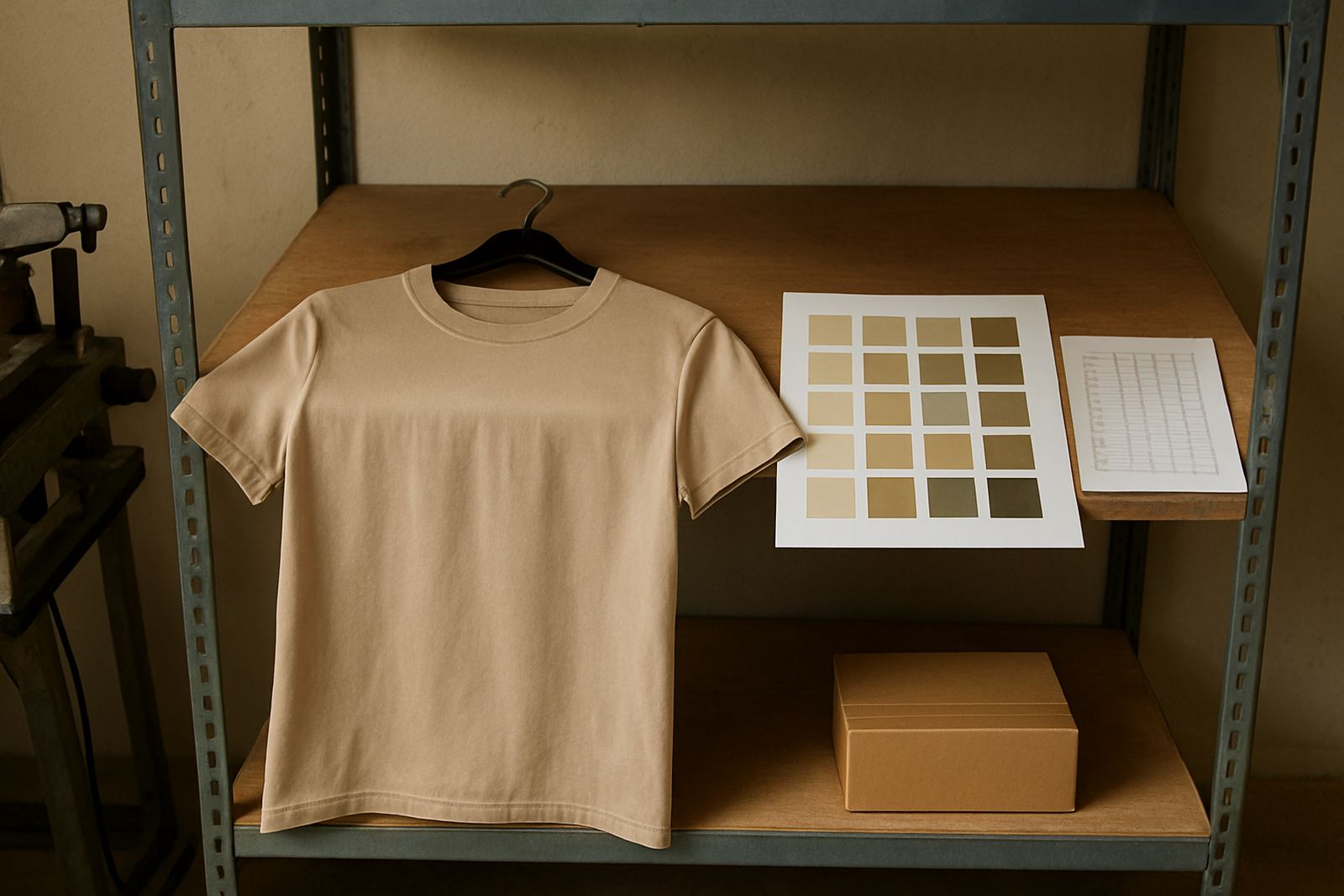
- Garment type, colour and fabric weight
- Artwork name or file reference
- Print method and ink colours used
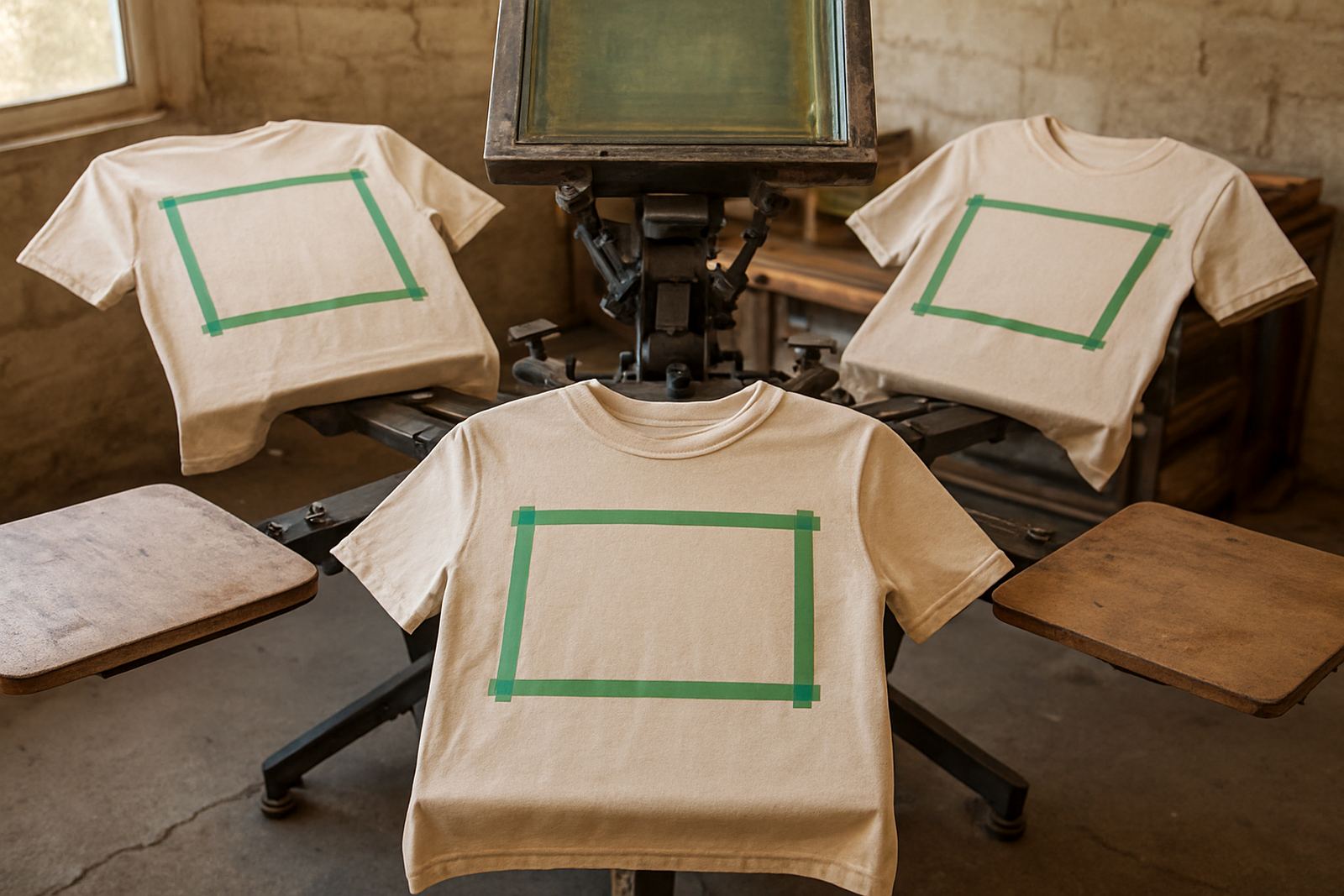
- Print size and placement measurements
- Size breakdown by quantity
- Bagging or labelling instructions
- Courier details for the next delivery
It helps to note whether the order was for schools, uniforms, promotional wear or event staff. School orders often need separate size groupings for learners and educators, while event orders may need quicker packing by team or department. A little organisation now saves a lot of checking later.
Lock in artwork before the first run
Repeat orders stay consistent when the artwork is fixed early. If a logo, slogan or sponsor line changes after the first run, the whole order can shift in look and balance. That is especially important for uniforms and school apparel, where the print needs to remain neat from one order to the next.
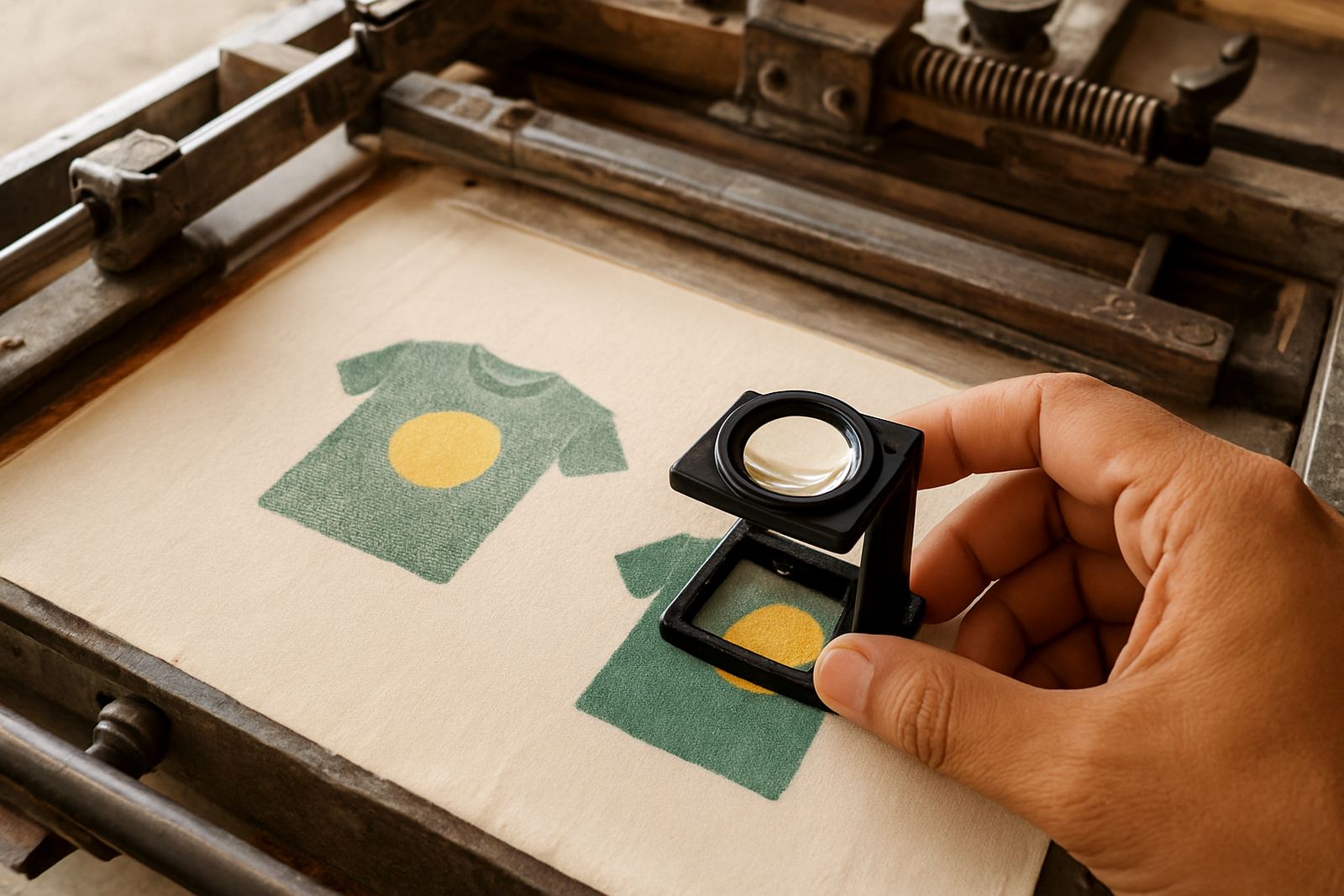
Artwork setup should show the approved version, the final spelling, and any notes on font, spacing or colour matching. A good file trail matters when different people place later orders. One client might remember the print as “navy on white” while another remembers it as “blue on cream”. The record removes the guesswork.
Our team keeps the details aligned from artwork through to production. Annelise Botha handles artwork coordination, while Sibusiso Ndlovu checks the production side so the same print stays the same from one batch to the next. That sort of handover matters when orders are split over months, not days.
Size sorting and packing make top-ups faster
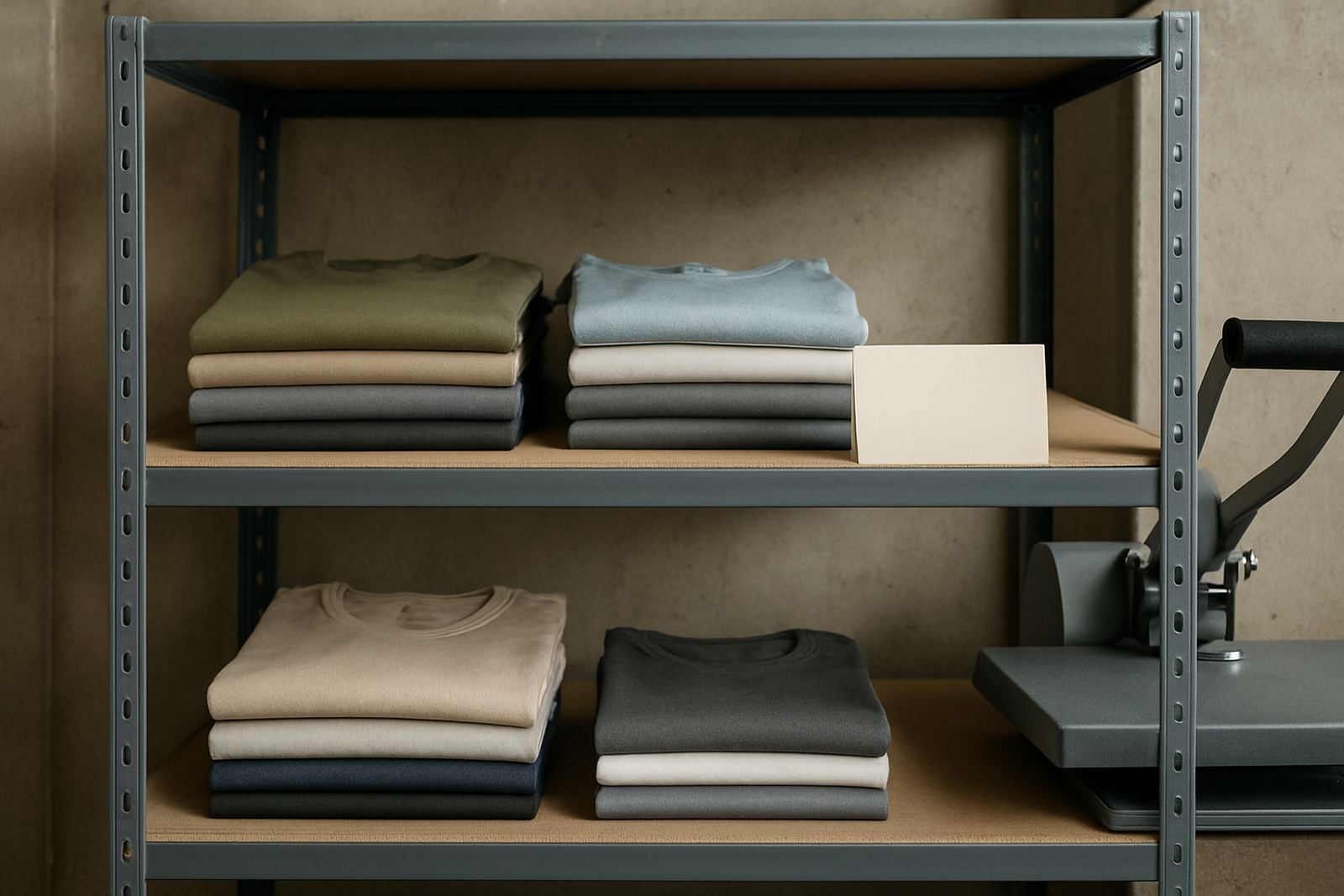
Repeat orders are easier when the original batch was packed properly. If sizes were sorted and labelled before dispatch, the next order can follow the same pattern without wasting time at receiving. This is useful for schools in Botshabelo and Bethlehem, where there may be regular reorders through the year for new learners, sports teams or prefect bodies.
Size sorting also reduces mistakes when different branches or departments are involved. A business might need 12 medium, 18 large and 6 extra-large, but the next order could be slightly different. If the record shows the size split clearly, the production team can match the new issue without reworking the whole run. It is the same with individual bagging, which helps when staff collect their items at different times.
- Use a standard size chart for every repeat order
- Keep a note of any swapped sizes after the first fitting
- Record if items were bagged by name, department or team
- Mark courier parcels so the right packs go to the right place
When these basics are kept in place, even a small top-up order does not feel like a new project. It becomes a straightforward reprint with fewer chances of error, and that is what most clients want.
Plan for Free State weather, power cuts and timing
Local conditions matter more than many people expect. In Bloemfontein and the surrounding towns, dry air can be kinder to some garments, while coastal humidity is not the issue here but dust and temperature swings can still affect storage and handling. During load-shedding, production timing needs to be planned around the available power so repeat orders do not get caught in avoidable delays.
If a client knows a top-up order may be needed later in the year, it helps to place the original batch with enough lead time and keep the reference details safe. That way, when a school in Kroonstad asks for an extra set of shirts before an event, or a company in Parys needs more uniforms for a new shift, the reprint can move ahead without starting from zero.
Couriered orders across the Free State and nationwide also benefit from accurate records. A repeat order should include the delivery address, contact person and any municipal or site access notes if the parcel goes to a busy office, school or event venue. Clear dispatch details save time at the back end and help Kagiso Molefe and the dispatch team get the order moving without delays.
How one repeat order stayed on track in Hamilton
A practical example: a Hamilton-based team ordered branded shirts for a community event, then came back months later needing extra sizes for new volunteers. Because the original order file showed the shirt colour, print position, size split and packing notes, the repeat batch was easy to match. The only change was the quantity. No one had to re-explain the artwork, and there was no debate about where the logo sat on the chest.
This kind of repeat order is common across Bloemfontein and nearby areas. A sports club may need a few more shirts after more players join. A school may need extra items after new staff arrive. A business may reorder when a promotion goes into a second phase. In each case, the history of the first order is what keeps the second one steady.
Lerato van Wyk in sales, Nokuthula Dlamini in client care and Willem Jacobs on quality control all play a part in keeping the repeat process organised. The result is simple: the next order looks like the last one, and the client does not have to chase details that should already be on file. That makes repeat buying easier for everyone, from the first call to the final handover.
What to keep on file before you reorder
If you want future top-up orders to stay consistent, keep the basics together in one place. It does not have to be complicated, but it does need to be complete. A clean file is worth more than a vague memory, especially when months have passed since the first print.
- Final approved artwork and wording
- Garment colour, size range and fabric type
- Print colours, print area and placement notes
- Quantity ordered by size
- Packaging and bagging instructions
- Delivery details for Bloemfontein, the Free State or nationwide
With those details saved, repeat orders become far easier to manage. You do not need to start over, and you do not need to hope someone remembers what was done last time. The record carries the order forward, which is exactly what a good top-up system should do.