What screen printing actually does to fabric
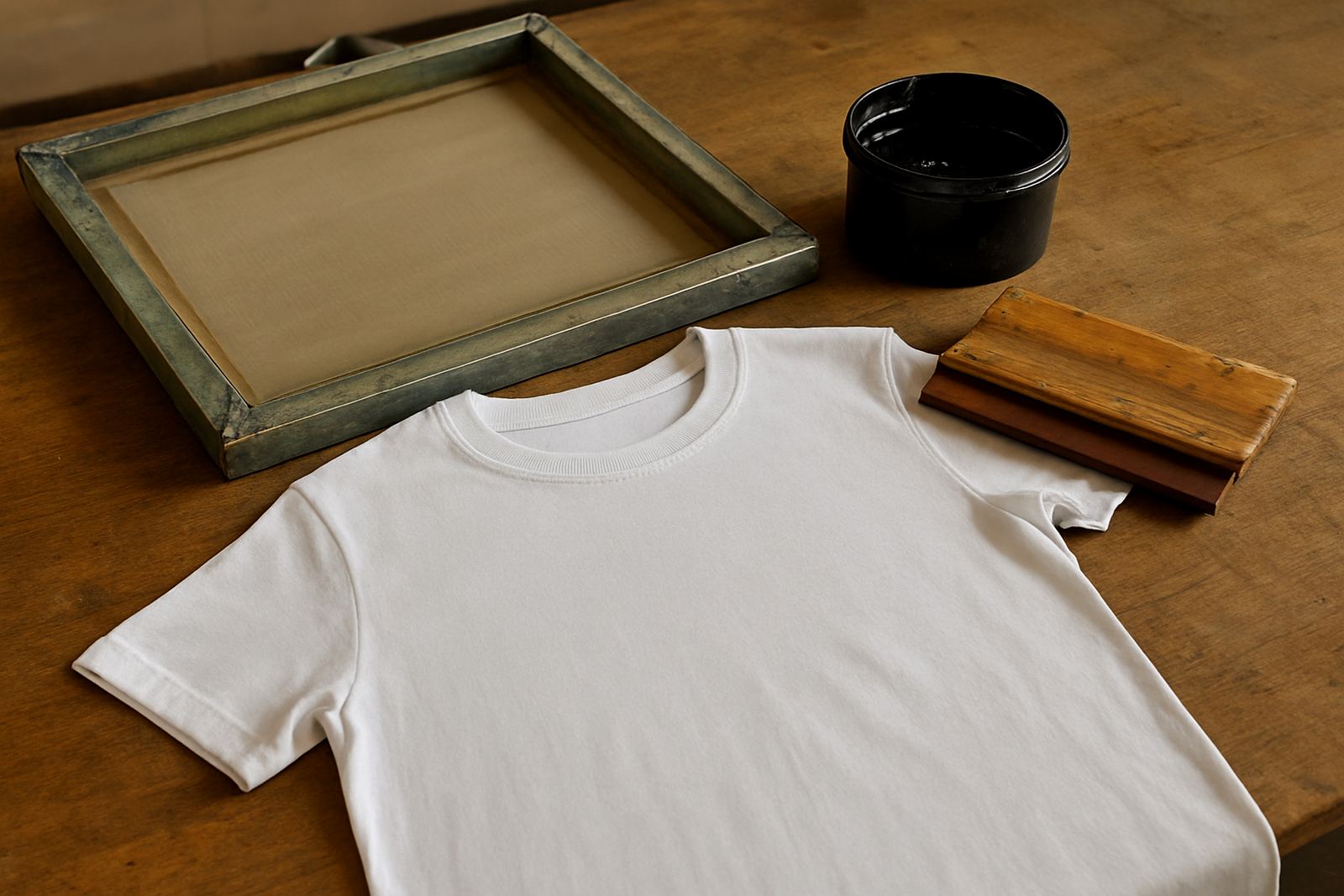
Screen printing uses a fine mesh screen to push ink through open areas of a stencil and onto the garment. Each colour is printed one at a time, which is why bold logos, team names and clean lettering come out crisp when the artwork is prepared properly. The method works well on cotton, polycotton and many performance fabrics, depending on the ink and garment type chosen.
In simple terms, the screen acts like a controlled sieve. Where the design should print, the mesh is open. Where the design should stay blank, it is blocked off. That is what gives screen printing its solid coverage and strong colour. For businesses in Bloemfontein, Hamilton, Botshabelo and Thaba Nchu, it is a practical option when you need shirts that can handle repeated wear, washing and long days in the sun.
- Best for logos, text, numbers and simple artwork.
- Good for medium to large quantities.
- Strong colour on light and dark garments.
- Suitable for uniforms, school wear and event shirts.
From artwork to ready-to-print screens
Good printing starts before ink touches fabric. The artwork must be set up with clear shapes, the right size and proper spacing so it can be transferred to screens. Thin lines, tiny type and messy colour overlaps can cause trouble later, especially on smaller items like sports tops or child sizes. That is why artwork setup matters just as much as the printing itself.
Once the file is checked, each colour is separated and prepared for its own screen. If the job needs a white underbase on a dark shirt, that is planned in advance so the colours stay bright. A reliable colour match is important for branded work, especially when the same logo must look consistent across staff shirts, event tees and sportswear. One small change in shade can make a batch look off, so it pays to check the sample carefully.
- Send clean logos where possible, not blurry screenshots.
- Allow enough space around text and icons.
- Ask for colour matching when your brand must stay consistent.
- Confirm spellings and sizes before production starts.
Why screen printing suits bulk orders
Screen printing becomes more cost effective as the quantity grows, because the setup work is spread across more garments. That makes it a strong choice for school leavers shirts, promotional campaigns, run club tops and staff uniforms. If you are printing 20 shirts or 2 000, the process stays dependable and the print usually holds its shape well after repeated washing.
It also gives a very even finish. Once the screens are set and the press is adjusted, each item in the run can be printed to the same standard. For customers in Welkom, Bethlehem, Kroonstad and Parys, courier delivery makes bulk ordering practical even when the job is planned from another town. The garments can be size sorted, bagged individually and sent out ready for distribution, which saves a lot of admin on the receiving side.
- Ideal for school orders, sports squads and company uniforms.
- Helpful when you need individual bagging and size sorting.
- Works well for repeat orders because the artwork can be reused.
- More efficient on larger runs than on one-off pieces.
What affects print quality on the day
Several small factors shape the final print. Fabric type, garment colour, moisture in the material and even workshop conditions can affect the result. In a place like Bloemfontein, dry weather can help with some steps, while load-shedding means power planning is important for production timing and curing. On the coast, humidity can slow drying and that changes handling times. The point is simple: good printing needs proper control, not guesswork.
The press operator also needs to watch registration, ink thickness and cure temperature. If the layers are not lined up properly, the design can look crooked. If the ink is too thin, the colour may look washed out. If it is not cured properly, the print can crack or fade too soon. That is why quality control matters on every order, even a small run of 10 or 15 shirts. A careful check before packing saves problems later.
- Fabric blend changes how ink sits on the shirt.
- Dark garments often need extra preparation for bright artwork.
- Heat curing must be done properly for wash durability.
- Registration needs to be checked on every colour layer.
Choosing the right garment for the job
Not every shirt is suited to every print. A cotton tee is often a straightforward choice for events and promotional wear, while a polycotton shirt can be useful for staff uniforms because it tends to hold its shape well. Sportswear needs even more thought, since moisture-wicking fabrics and stretch materials behave differently under ink and heat. The garment choice should match how the item will be worn, washed and moved around during the day.
If the order is for learners, size consistency and comfort matter. If it is for a workforce, durability and a neat finish matter more. For event organisers, quick turnaround and clear branding are usually the biggest priorities. These are the practical questions worth asking before printing starts:
- Will the item be worn indoors or outdoors?
- How often will it be washed?
- Does the design need front, back or sleeve placement?
- Will the order be handed out as packed sets or in bulk?
A local example from Hamilton to the wider Free State
Picture a school in Hamilton ordering shirts for a sports day. The team needs the same logo on different sizes, a clear number on the back and a tidy finish that looks good in photos. The order is checked, the artwork is prepared, the sizes are sorted and the shirts are printed in batches. Once cured and packed, the shirts are couriered to the school and handed out by class or team group. The process is plain, but it works.
That same approach suits businesses across Bloemfontein, Botshabelo, Welkom and beyond. Whether the order is for a small staff group or a nationwide campaign, the basics stay the same: correct artwork, the right garment, careful printing and proper packing. When those parts are handled well, screen printing gives a clean result that feels professional without being complicated. It is one of the reasons many organisations still choose it for uniforms and event apparel.
- Clear artwork means fewer delays.
- Correct sizing reduces waste and returns.
- Individual bagging helps with distribution after delivery.
- Couriered orders make Free State and nationwide supply manageable.