Why Fabric Choice Changes the Final Print
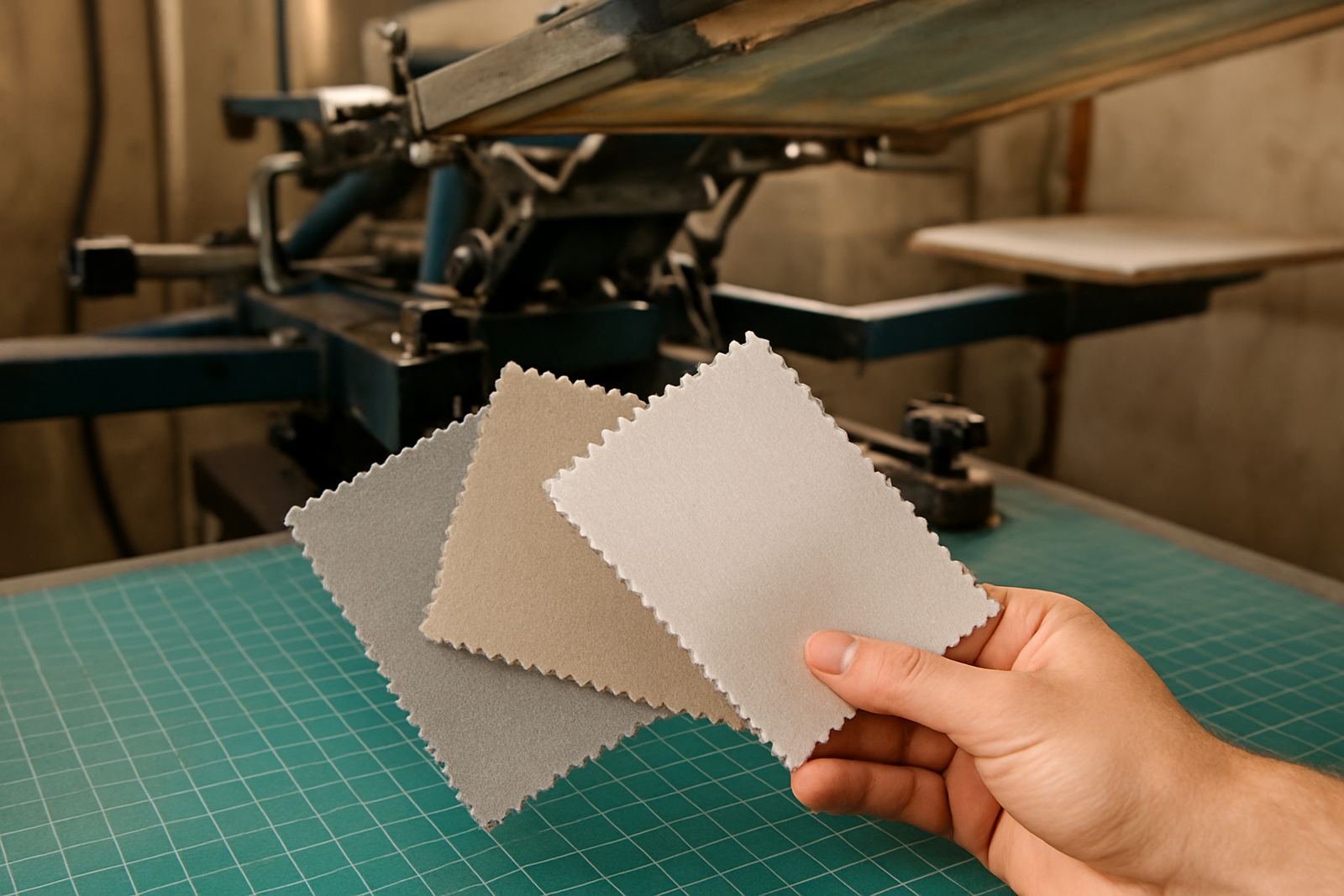
Screen printing is not only about ink and artwork. The cloth underneath affects how the ink sits, how sharp the edges look and whether the finished garment feels soft or stiff. A smooth, stable fabric gives cleaner detail, while a loose or textured weave can make fine lines look less defined. That is why two shirts printed with the same design can still look quite different.
In Bloemfontein and the surrounding Free State areas, clients often order for schools, church groups, labour teams and events. For those jobs, the fabric must handle regular wear, washing and sometimes long hours in the sun. If the item is for a single event, comfort may matter most. If it is for uniforms, durability usually takes priority. Choosing the right material from the start saves money and avoids disappointment later.
- Smoother fabrics usually give sharper detail.
- Heavier fabrics often feel more durable.
- Stretch and texture can affect ink coverage.
Cotton: The Safe Choice For Most Printing Jobs
Cotton remains one of the best fabrics for screen printing because it takes ink very well. The surface is absorbent, so prints often look bold and even. Cotton shirts are also comfortable in warm weather, which matters in places like Bloemfontein, Thaba Nchu and Botshabelo where people wear printed garments for long stretches at a time.
For promotional t-shirts, school events and staff wear, cotton is usually the first option we suggest. It works well for light and dark garments, and it is easier to achieve strong colour on a proper cotton surface. The main trade-off is that cotton can shrink if it is washed badly, so it is best to follow care instructions carefully.
- Good for bold logos and large text.
- Comfortable for daily wear and warmer days.
- Best when garment care is simple and practical.
Polycotton: A Practical Balance For Uniforms
Polycotton blends give a useful middle ground between comfort and hard wearing performance. The polyester content helps the garment keep its shape better than pure cotton, while the cotton still gives a decent feel against the skin. This makes polycotton a smart choice for workwear, hospitality uniforms and school apparel that needs regular washing. There is less shrinkage too, which helps with repeat orders and size consistency.
For clients ordering across the Free State, polycotton is often the answer when the garment must look neat but also last through a tough routine. It is especially handy for bulk orders where the same shirt must suit different body shapes and shift conditions. The print finish is usually clean and tidy, though the fabric can feel slightly different from full cotton.
- Useful for uniforms that must hold their shape.
- Less likely to shrink after washing.
- Good for repeat use in busy workplaces.
Polyester and Sportswear: What To Expect
Polyester is common in sportswear and performance tops because it is light, quick drying and suited to active use. It works well for teams in schools, clubs and tournament settings where sweat management and movement matter. The challenge is that polyester can be less forgiving than cotton when it comes to print method and heat. If the garment is too shiny or too textured, the print may need special handling to get a clean result.
For sports tops, training wear and event gear, the fabric has to match the purpose of the clothing. A good polyester garment can be ideal for players and support staff, but it must be checked properly before printing. We also look at how the garment behaves after washing, because some sports kits get reused week after week. If the cloth is not suitable, the print may crack or lose vibrancy sooner than expected.
- Best for active wear and breathable team gear.
- Quick drying and light on the body.
- Needs careful checking before print setup.
Blends, Ringspun Cotton and Other Useful Options
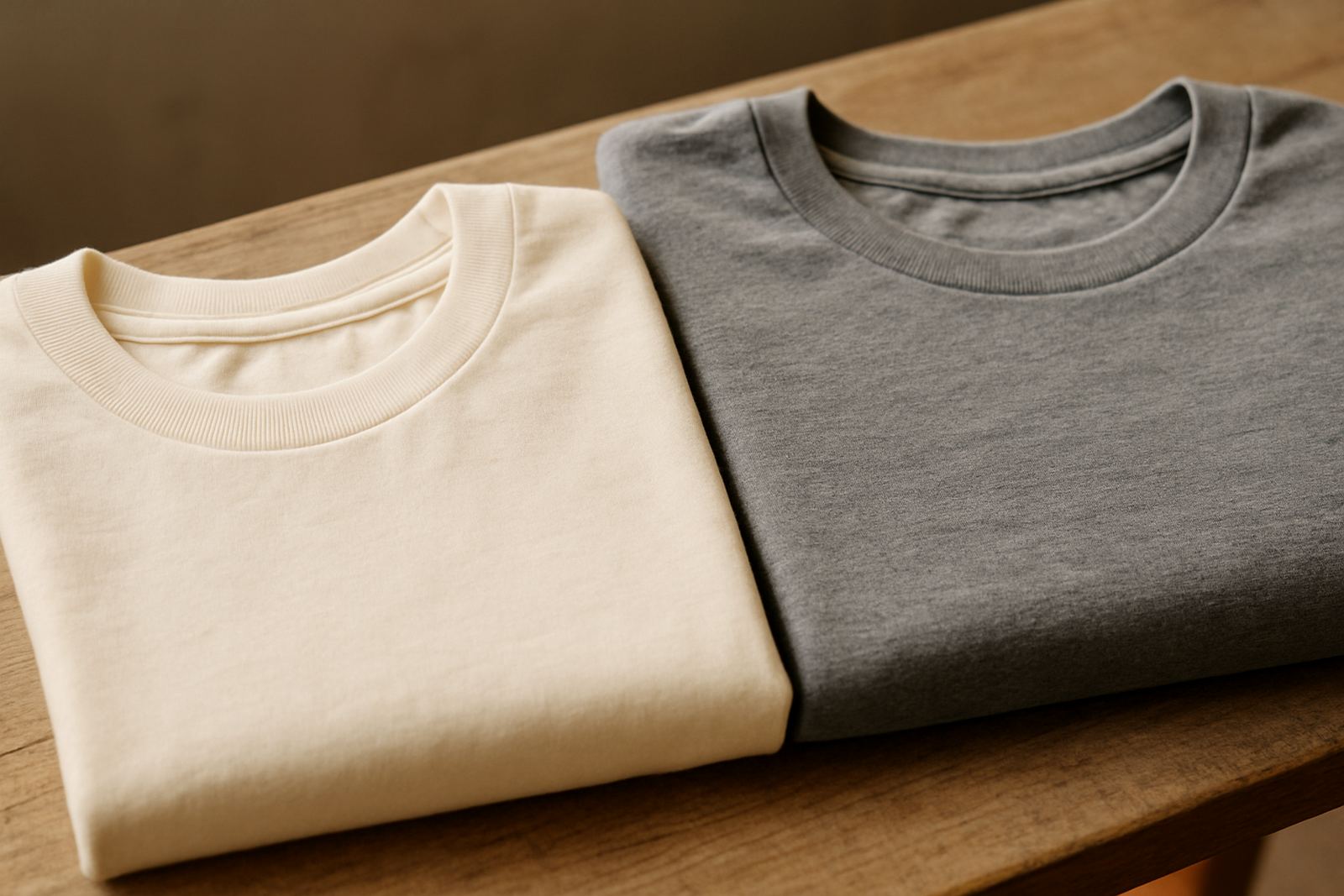
Not every order fits neatly into one fabric category. Some garments use blends that improve softness, reduce creasing or create a better fit. Ringspun cotton often feels smoother than standard cotton, which can help the print look more refined. These options can be useful for premium promotional shirts, branded staff wear and giveaway items where appearance matters as much as function.
When choosing a fabric, think about the event, the wash cycle and the expected lifespan of the garment. A soft blended tee may be perfect for a one-day promotion, while a thicker shirt is better for long term use. If the garment will be worn in dusty conditions, on building sites or in food service, the fabric must be practical first and pretty second. Thats how we guide many local businesses when they are weighing up cost against performance.
- Blends can improve comfort and shape retention.
- Fine cotton is often better for premium feel.
- Match the fabric to the actual use, not just the artwork.
How Climate, Washing and Colour Affect Results
South African conditions matter. In dry inland weather, some fabrics stay crisp, while coastal humidity can change how garments store and dry. Shirts that are packed tightly for courier delivery may also need extra care when unpacked, especially if they are going to schools or events outside Bloemfontein. Fabric choice should account for real life, not only the sample on the table.
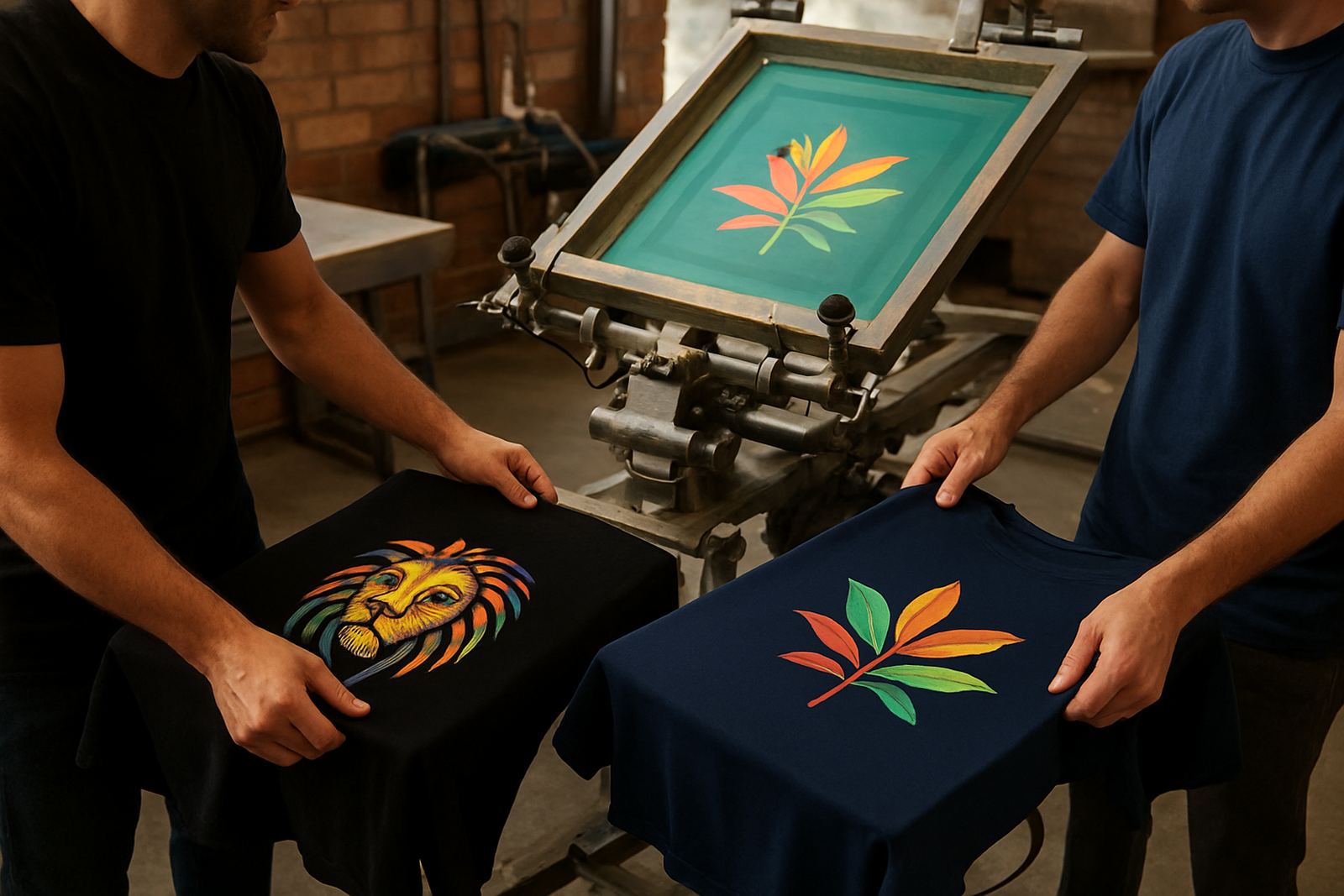
Colour also plays a part. Dark garments need more planning to make sure the print remains bright enough. Light garments often show fine details more clearly, but they may need careful colour matching so the design stays true to the brand. For bulk orders, consistent sizing and colour sorting help keep the final delivery tidy and usable straight away.
- Heat, humidity and washing all affect garment life.
- Dark and light shirts print differently.
- Consistent sorting helps large orders stay organised.
Picking The Right Fabric For Your Order In Bloemfontein
If you are ordering for a school in Hamilton, a sports day in Kroonstad or a company function in Welkom, the best fabric depends on what the shirts must do. For comfort and sharp print, cotton is hard to beat. For long wearing uniforms, polycotton is often the sensible choice. For sportswear, polyester or a suitable performance blend may be the better fit. The key is to match the cloth to the job, not just the budget.
When clients send artwork through the enquiry form, we look at the garment type, size range, print area and quantity before recommending the best option. That way the finished order looks right and wears properly too. A good print starts with a good fabric, and a well chosen shirt can keep a brand looking smart long after the first wash.
- Cotton for comfort and clear print.
- Polycotton for uniforms and repeat wear.
- Polyester for sports and active use.