
Why seasonal orders need a head start
Promotional clothing is often ordered when the need is already urgent, but seasonal apparel works better when it is planned around school calendars, sports fixtures, staff onboarding and event dates. In the Free State, summer demand can rise quickly once the temperatures climb, while winter orders often come in at the same time as end-of-term events, fundraisers and team travel. If you wait until everyone else is ordering, you may run into longer turnarounds, tighter size availability and courier delays to towns like Welkom, Bethlehem and Parys.
For businesses in Hamilton, Botshabelo and Thaba Nchu, early planning also helps with budget control. A bulk order placed in advance is easier to split into the right sizes, colours and departments. It gives time for artwork checks, colour matching and any changes after the first fit sample. That saves reprints later and keeps the clothing looking consistent across the whole team.
Summer tees that work harder in the heat
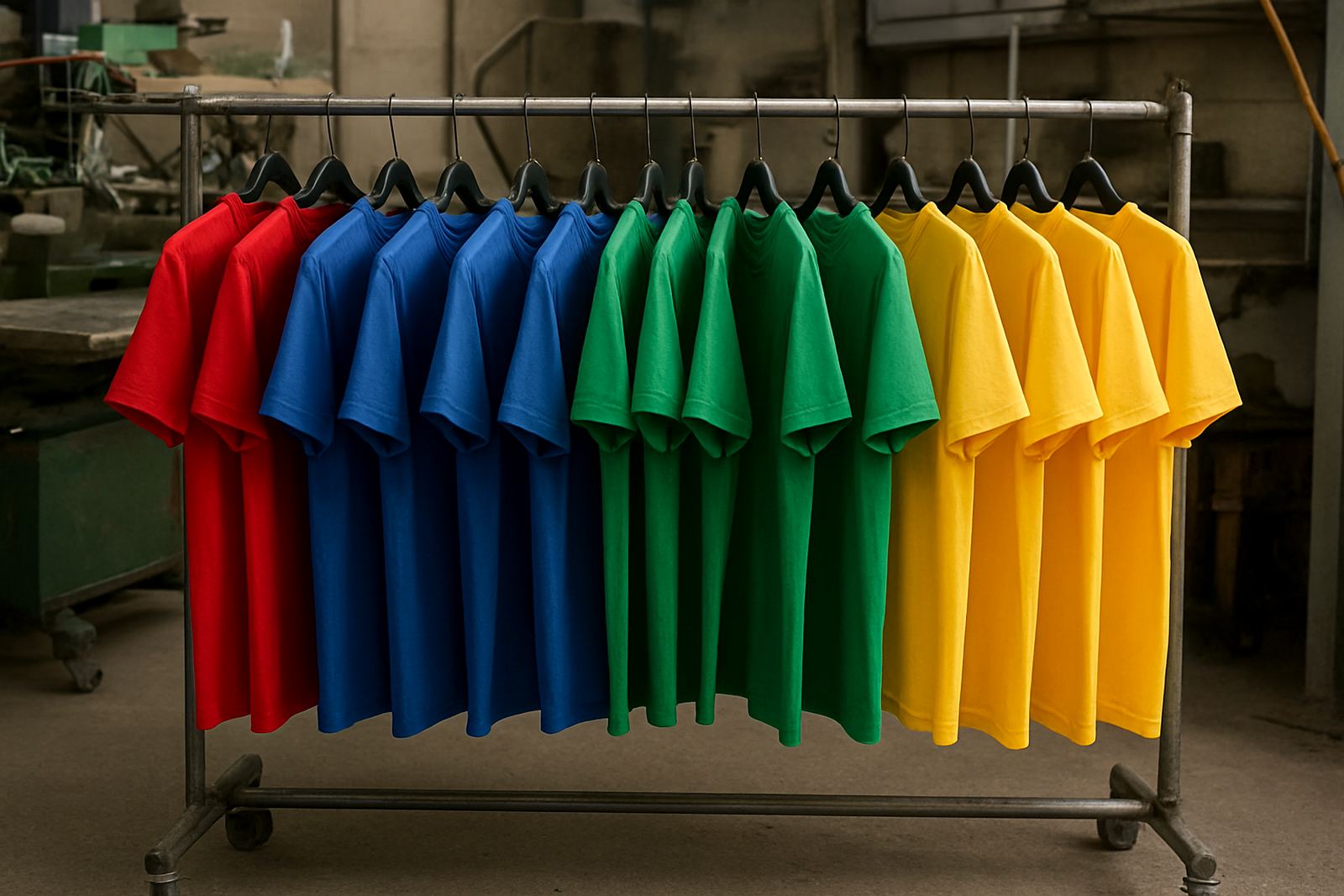
Summer apparel needs to do more than carry a logo. It should be light enough for outdoor work, comfortable for long school days and practical for events where people stand in the sun. For branded tees, the key is choosing a fabric weight and print method that suits repeated washing. In hot weather, people reach for the same garment often, so print durability matters just as much as appearance.
- Choose lighter shirts for field staff, event teams and school activities held outdoors.
- Use clear artwork with strong contrast so the logo reads well from a distance.
- Keep print placement simple on the chest or back for better visibility and faster production.
- Allow time for size sorting and individual bagging if shirts are going to different teams or branches.
For sports days, youth events and campaign shirts, planning the artwork early is especially useful. A small change in artwork size can affect the final look, and it is better to test that before the full run starts. If the order includes staff, learners and volunteers, a size list checked once can avoid a lot of confusion later.
Winter layers that stay visible and practical
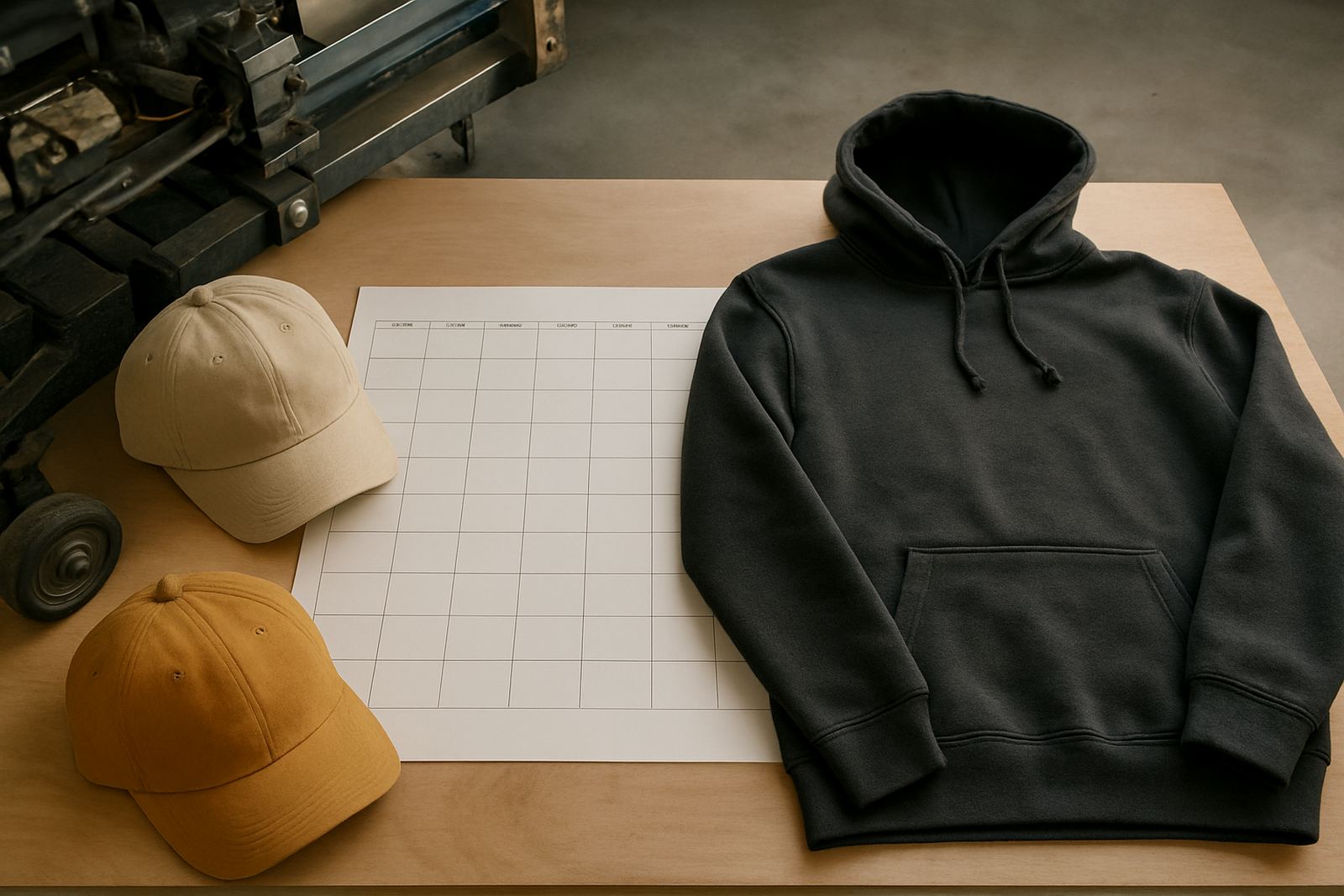
Winter apparel is often treated as an afterthought, but in places like Bloemfontein where mornings can be cold and windy, it deserves the same attention as summer wear. Hoodies, long-sleeve shirts, jerseys and work layers all have different print requirements. A thicker garment may need a slightly adjusted artwork layout so the branding sits properly on the chest or back, and does not get lost in seams or folds.
When planning winter layers, think about how the clothing will be worn. Staff may use it over a shirt in the morning and remove it later in the day, so the logo still needs to be visible when layered. Schools and clubs often need garments that look neat with track pants or uniform bottoms. If the order is for a cold coastal trip or an early morning tournament, it also helps to choose items that handle damp weather and frequent washing without losing shape.
- Plan for layering, not just warmth, so the logo remains visible.
- Confirm whether the print goes on a smooth outer layer or a thicker fleece type item.
- Order spare pieces for new staff, late sign-ups or last-minute size changes.
- Keep a note of repeat winter quantities so next year’s order is faster to approve.
Getting sizes right before the rush
Size sorting is one of the biggest time savers in seasonal planning. A good size sheet prevents guesswork and keeps the final order accurate, whether it is for 20 learners or 500 uniforms. For schools in Kroonstad, teams in Bethlehem and businesses in Bloemfontein, a single size error can cause delays, extra courier costs or uneven clothing distribution. It is worth checking sizes against current staff lists and learner numbers before production starts.
In our experience, the best results come from grouping orders clearly by department, age group or team role. If the order is going to several locations across the Free State, it helps to separate packing early. That way each parcel arrives ready to hand out, instead of needing a second sorting session on site.
A simple planning checklist can keep the process calm:
- Confirm the final quantity by size, colour and style.
- Check who needs old stock replaced and who needs a new garment.
- Decide whether each person gets one item or a full set.
- Allow for growth, especially with school apparel ordered ahead of the term.
Artwork timing and print choices make the difference
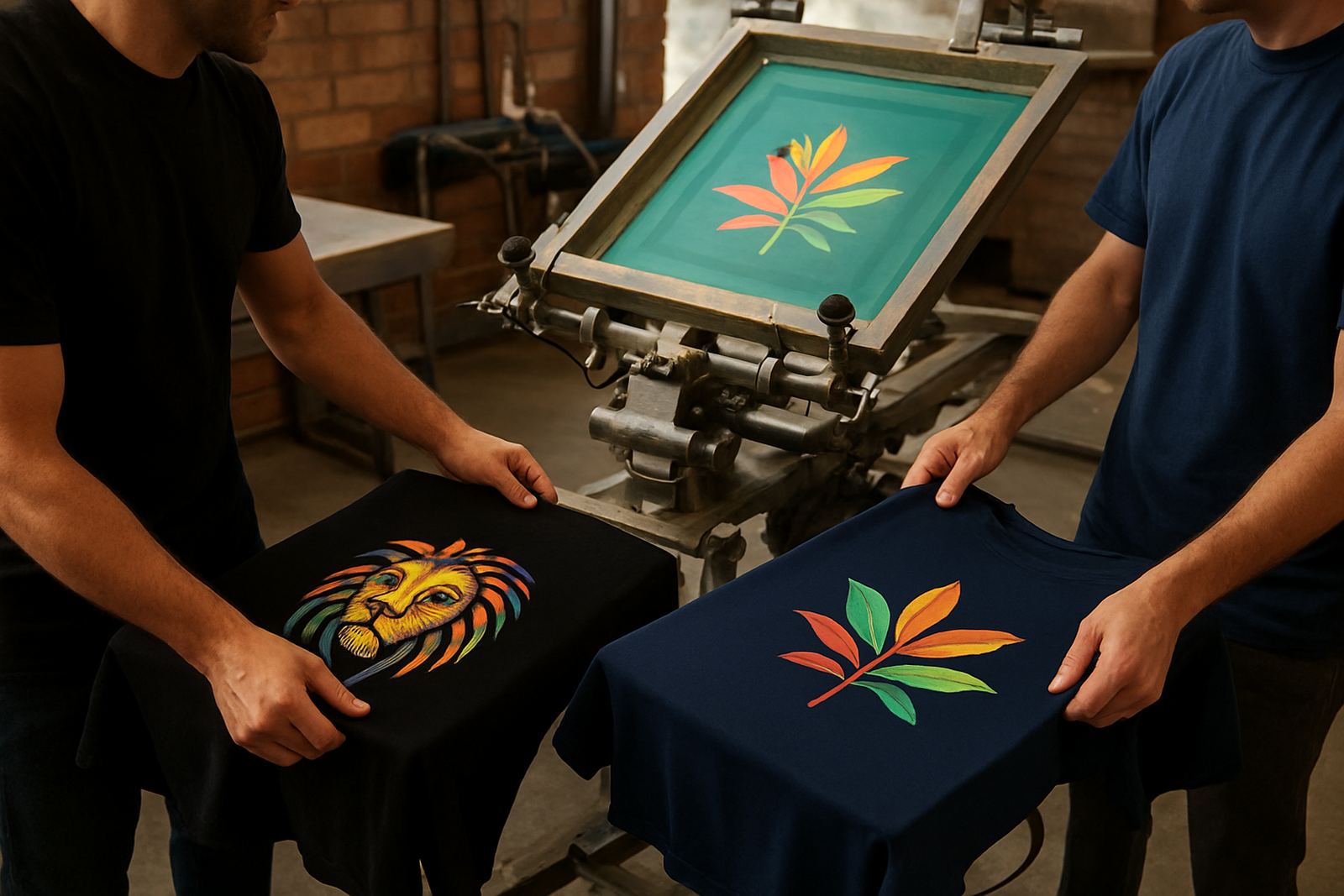
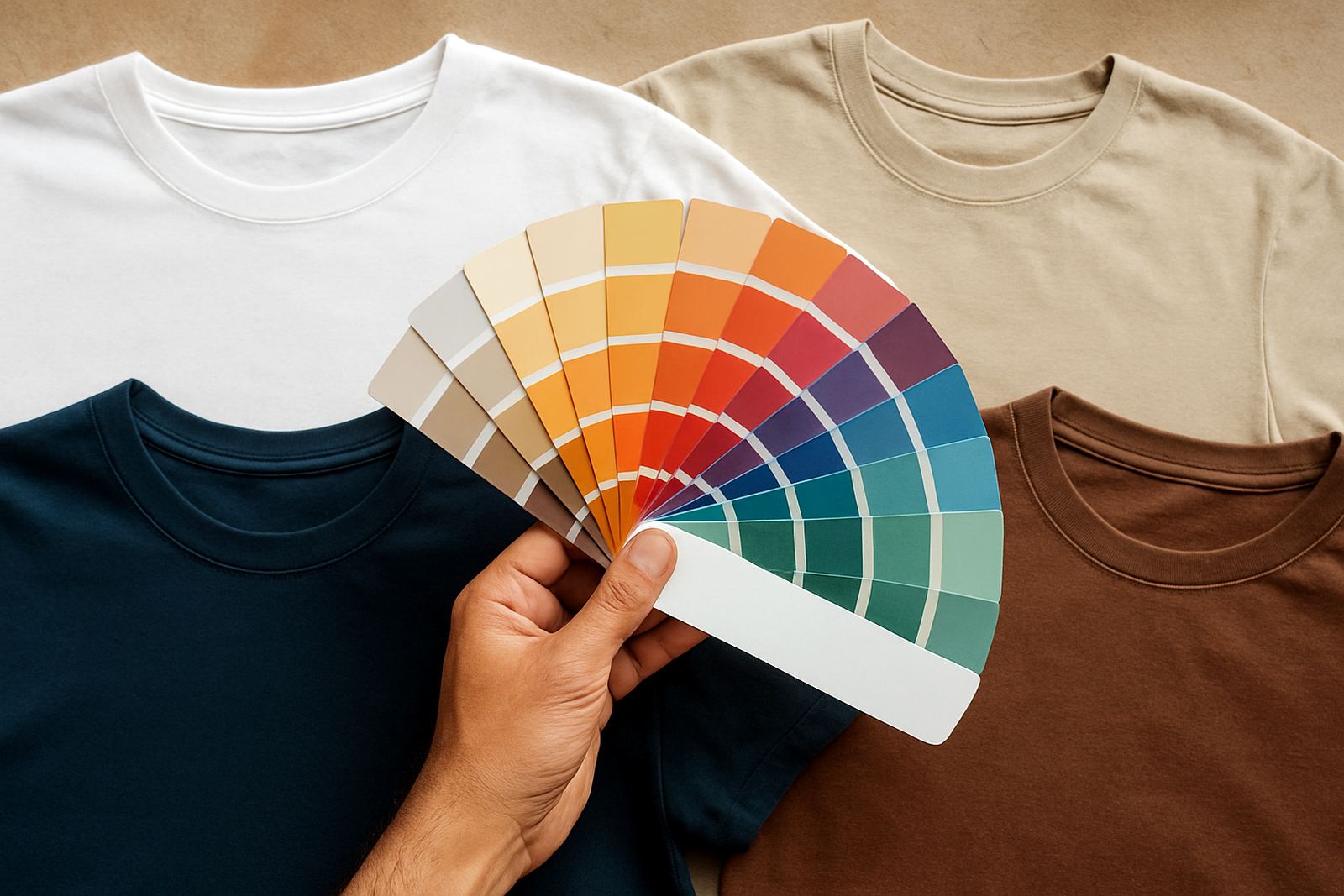
Seasonal orders move faster when artwork is approved early. Logos, names and sponsor details can look different depending on the garment colour and print area. That is why artwork setup should happen before the fabric arrives, not after. It gives time to check spelling, confirm colour matching and make sure the final layout fits the item properly. This is especially useful for event shirt printing, school apparel printing and bulk order printing where the same design must appear across many garments.
For winter items, thicker fabric and textured surfaces may affect the final print finish. For summer tees, brighter colours and lighter fabric can change how the artwork appears in daylight. A small test or sample check can prevent rework. It is also the right stage to decide whether names, numbers or department labels are needed. Once production starts, changes become more expensive and slow the whole schedule.
A local example from Bloemfontein to the wider Free State
A school in Hamilton may start planning winter hoodies in March while ordering summer event tees for a May sports day at the same time. That sounds early, but it is usually the safest way to avoid a last minute scramble when the term gets busy. The school can confirm sizes from each class, approve the logo once, and then split the order between teachers, learners and volunteers. With couriered delivery, the final parcels can go to satellite campuses or partner venues in Botshabelo, Thaba Nchu and Welkom without the office needing to handle every box on the same day.
The same approach works for a company preparing for a year-end campaign in Parys or a club launching new kit in Bethlehem. One planning meeting, one artwork sign-off and one clear size list can remove a lot of stress. It also means the garments arrive ready to wear, not waiting for someone to sort them by hand.
Seasonal apparel works best when it is treated like any other essential supply. The earlier you plan, the easier it is to keep the right clothing in the right place when demand starts climbing.